
A holistic approach to brain health
In this far-reaching interview, neuropsychologist Digby Ormond-Brown explores vagal nerve stimulation's role in treating epilepsy and anxiety, emphasizing its integration within broader brain health strategies. He discusses the gut-brain axis' impact on neurodegeneration and shares groundbreaking results in cognitive rehabilitation, revealing how multimodal interventions can potentially reverse Alzheimer's progression.

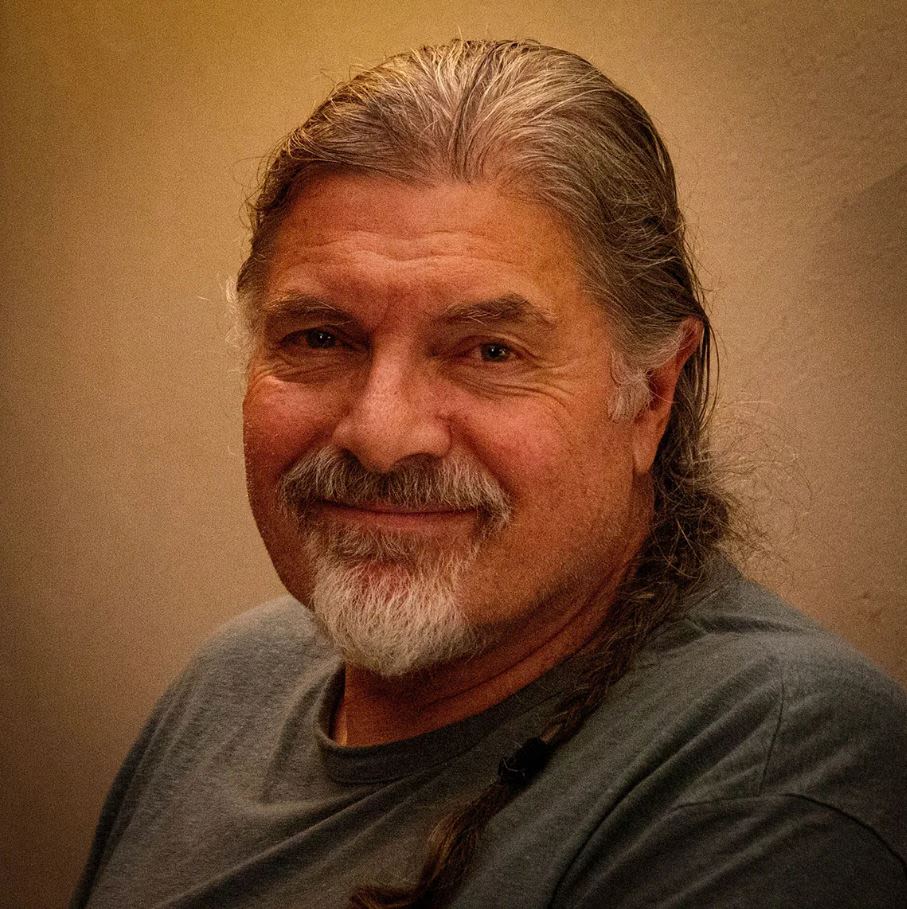
Digby Ormond-Brown
Digby Ormond-Brown



Medical Academic (MA): Please clarify how you use the vagal nerve stimulation (VNS) to treat conditions like epilepsy and anxiety?
Digby Ormond-Brown (DOB): Clearly, these are two very different conditions, so the goals of intervention diverge enormously. The common denominator is simply that both can be treated using VNS. Importantly, for neither condition would I regard VNS as the primary intervention. This is precisely the point of our brain health programme, which recognises the complexity of the brain and that treatment needs to be a multilevel intervention.
We don’t just use VNS. Instead, we intervene at all levels of brain function, from basic physiology to high-level abstract thinking, from specific forms of physical exercise to mentored cognitive stimulation, from laughter and deep breathing to the emotional warmth of interaction with a close friend.
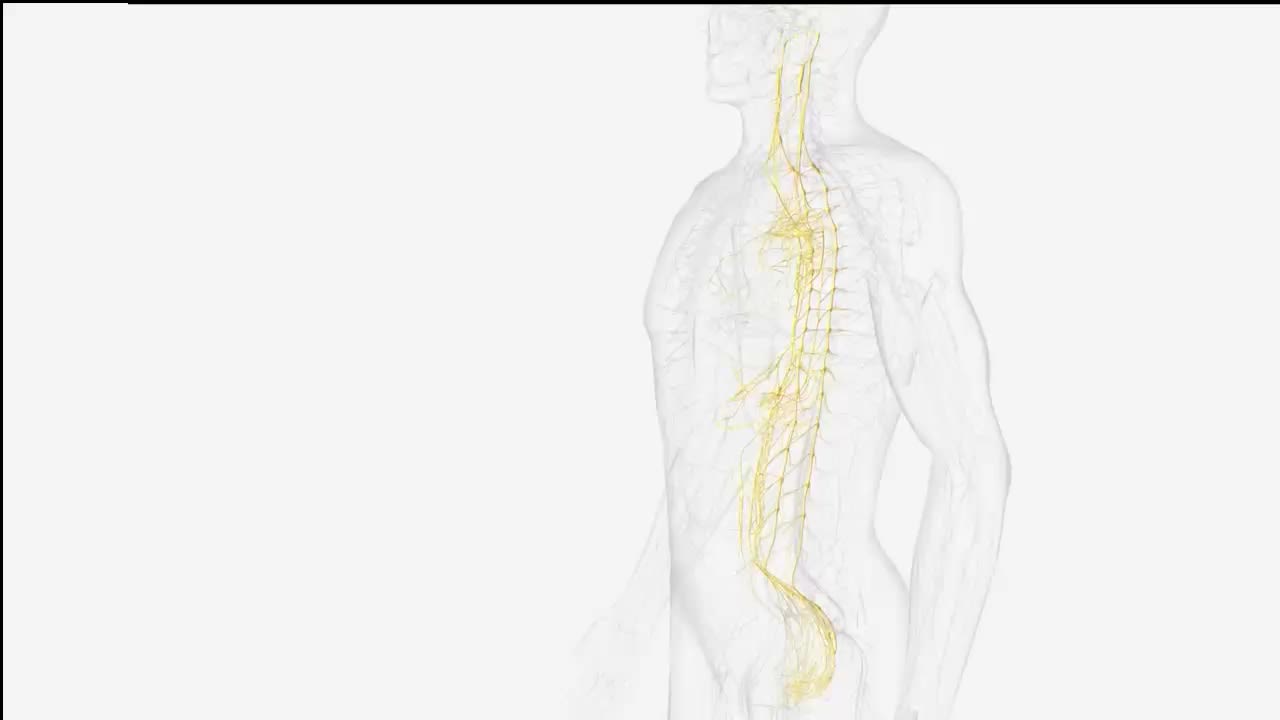
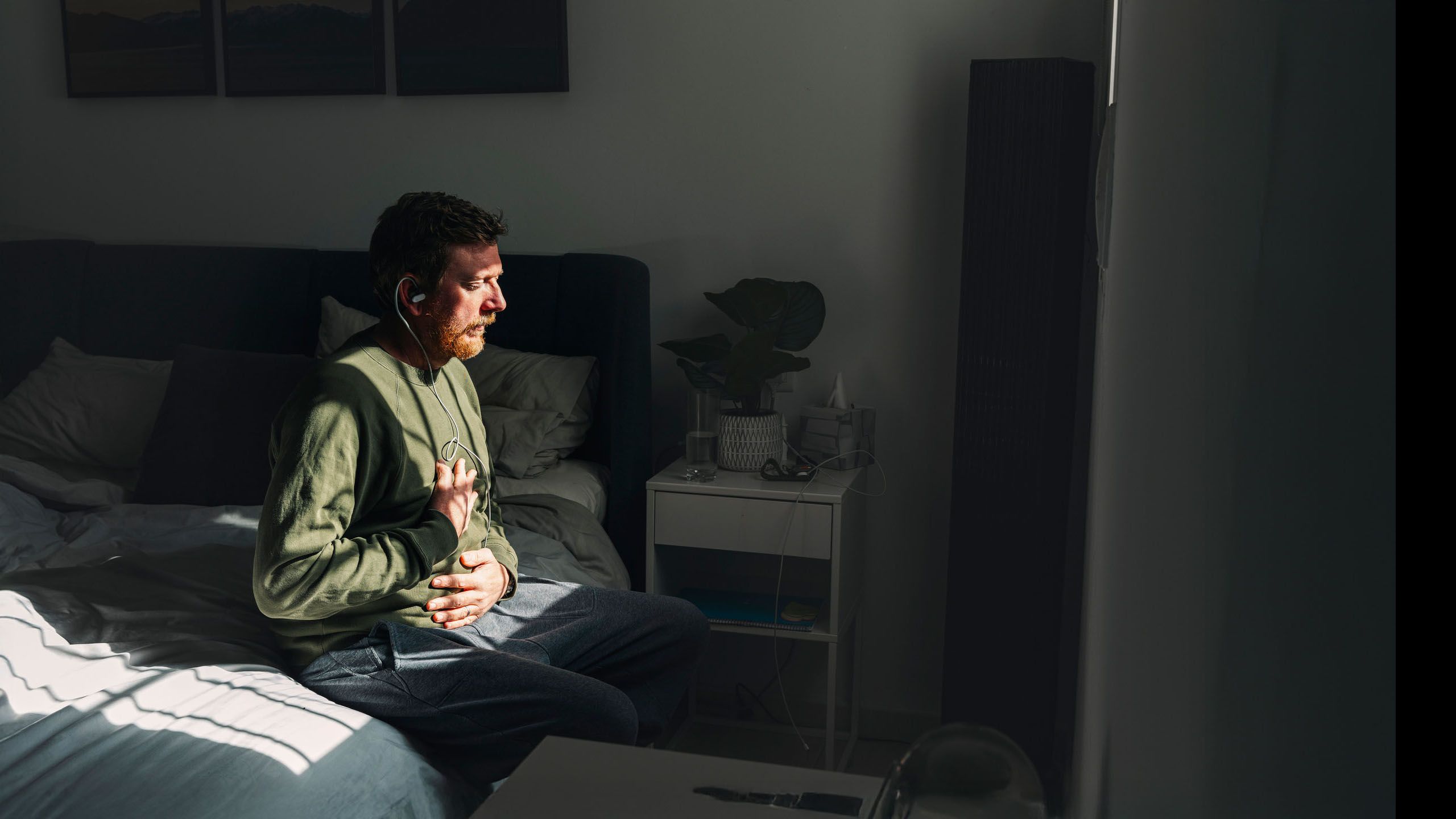
VNS is merely a component of holistic intervention. The majority of people who suffer from anxiety are effectively in a state of chronic sympathetic hyperactivation, in permanent fight-flight mode, or incapacitated by inertia in freeze mode. VNS allows us to reduce the activity of the sympathetic nervous system and ramp up the activity of the parasympathetic nervous system.
Effectively, this induces a sense of calm, taking away feelings of panic, reducing heart rate, and allowing the patient to think clearly again.
Used in isolation, VNS for anxiety becomes a form of symptomatic relief, much like an anxiolytic. While symptomatic relief has its uses, it is not a long-term solution. At its core, anxiety is a psychological condition, and unless the psychological issues are targeted, true relief is never going to be found.
Conditions like depression and anxiety require a combination of bottom-up and top-down interventions. In that context, VNS is a means of tweaking the physiology but without the unfortunate side-effects that go with many anxiolytics. It creates the space for effective top-down intervention, which is mental therapy.
Intervention for epilepsy is a completely different approach. In that context, we work in combination with the neurologist or neurosurgeon. Typically, these are patients with intractable epilepsy who are poor candidates for epilepsy surgery, or where surgery has failed, and for whom multi-drug interventions have failed.
For these patients, the VNS treatment is far more intense, as much as six hours per day. The rationale of treatment is to de-synchronise brainwave activity, short microbursts of VNS of random duration. It is the brain equivalent of improving heart rate variability! Our initial forays in this area have been astonishingly successful. In one patient who was having complex tonic-clonic seizures 2-3 times a week, VNS reduced the frequency to one seizure roughly every six weeks. That’s spectacular! It is not that the problem is solved, mind, but it is hugely improved.
Again, we emphatically do not simply use VNS as the sole intervention with epilepsy patients. Neuroharmonics is the overarching treatment protocol because it targets the brain at a holistic level and leverages everything we have learnt from neuroscience about brain health. If patients are not sleeping well, if they are not eating healthily, if they are unhappy, we are not going to get good outcomes. If we set the scene appropriately, we can tailor effective interventions. Without Neuroharmonics, none of this works.

Patients who have been diagnosed with Alzheimer’s disease and who have significant medial temporal lobe atrophy (MTA 3) and Fazekas scores of 3 show objective improvements on cognitive tests over periods of 18 months.

MA: The gut-brain axis is a well-defined area of research in current medicine. You have been known to advocate for the utilisation of the gut-brain axis to reduce cerebral inflammation - could you explain how this works?
DOB: Yes, let’s take Alzheimer’s disease as a ready example. We know that inflammation spreads from the gut to the brain. Firstly, there is the obvious level at which gut dysbiosis results in increased permeability of the intestinal epithelium, allowing lipopolysaccharide and pro-inflammatory cytokines to enter the bloodstream and ultimately cross the blood-brain barrier. Effectively, systemic inflammation leads to neuroinflammation.
More interestingly, gut inflammation stimulates vagal afferents, which relay pro‐inflammatory signals centrally, leading to microglial activation even in the absence of overt barrier breakdown. In experimental models, pathogens like cytomegalovirus or bacterial amyloids applied in the gut have been shown to travel via the vagus nerve and trigger α-synuclein or Aβ aggregation in the brain.
Remarkably, the gut-brain axis really is a two-way street. So, while there is a lot of talk about inflammatory signals being transmitted from gut to brain, it works in the opposite direction too. Fascinatingly, we now know that conditions like traumatic brain injury and stroke trigger dysbiosis. That’s staggering! And of course, that realisation opens up a whole new treatment paradigm for brain injury.
The real-world application of these ideas is that, for instance, an anti-inflammatory diet can significantly reduce symptoms of Parkinson’s disease. A specific dietary intervention with autistic children resulted in a six point increase in non-verbal IQ over a year. That is nothing short of miraculous. This truly highlights the idea that food is medicine.
And beyond dietary interventions, there are supplements which can make a profound difference. Resolvins deserve special mention in this regard. They can flip a biochemical switch in macrophages to change their phenotypic expression from M1, which is pro-inflammatory, to M2, which is anti-inflammatory.
And suffice to say, Neuroharmonics needs to form the backdrop. It doesn’t matter how much we tweak the gut-brain axis, or how many probiotics we prescribe. If the patient is deeply unhappy, they’re going to nuke their microbiota anyway. We have to see the big picture; we have to treat the entire human being.
MA: Can most psychiatric conditions be treated with neurological intervention?
DOB: No. I am certainly not claiming that Neuroharmonics is a miracle cure. It has a place and it can be remarkably effective, but we are not going to “un-schizophrenic” a hard-core psychotic patient, for instance. That said, for anyone, the healthier your brain, the better you function, no matter what your diagnosis.
MA: Please explain neurological interventions that could positively affect phenomena such as cognitive decline in the elderly
DOB: Our brain health programme is rightfully conceptualised as a neurological intervention precisely because it targets brain function and it does so using information derived from the ever-expanding corpus of neuroscientific research. We show patients how to use the vacuum cleaner in their heads, the glymphatic system, to clean out neuronal debris while they sleep, including bad guys like beta-amyloid. We get patients to use ripple waves, high-frequency 200 Hz electromagnetic pulses emitted by the hippocampi and transmitted to the neocortex, to consolidate information in long-term memory.
We teach people how particular kinds of physical exercise are more beneficial for brain function than others. Sure, any exercise is good for you, but when it comes to brain function, exercises are not equal. We encourage people to find inner peace, to experience laughing from their bellies, because of what being in the zone does for their brain function. We touch on the remarkable finding that being altruistic and helping others and cleaning kennels at the SPCA does wonders for your inflammatory profile. It’s just wonderful that it works like this!
We discourage robotic interventions, such as crossword puzzles and sudoku, because, while they may be fun, they lack deeper meaning. The brain is a semantic prediction machine and it thrives on meaning. Personal meaning, not the values of the therapist (who all seem obsessed with sudoku). We create tailor-made cognitive stimulation exercises that draw on the patient’s values and meaning to challenge their brains and get them thinking in a way that is emotionally satisfying and intellectually stimulating. That nourishes brains and sees them grow. And there is a massive body of research proving exactly that point.
And I want to say that we are achieving incredibly gratifying results. Patients who have been diagnosed with Alzheimer’s disease and who have significant medial temporal lobe atrophy (MTA 3) and Fazekas scores of 3 show objective improvements on cognitive tests over periods of 18 months. They should be deteriorating, but with Neuroharmonics there is the potential not just to slow the decline but to actually reverse it. How long those benefits will last, remains to be seen. Still, we are achieving what would previously have been thought to be impossible.
MA: How should clinicians approach the rehabilitation of traumatic brain injuries?
Clinicians should treat TBI by making the appropriate referrals. This is a specialised multidisciplinary field. I work with some fantastically skilled professionals and it is their combined efforts that lead to great outcomes. That said, there is certainly enormous scope for general practitioners to be part of the rehabilitation team, particularly in the chronic phase of recovery. I welcome cooperation.
Digby Ormond-Brown is the principal neuropsychologist at Ormond Neuroscience at the Netcare Rehabilitation Hospital, where he has been based since 1994. In 2002 he was appointed as consultant neuropsychologist to the Centre for Sports Medicine and Orthopaedics where he was deeply involved in the assessment and management of concussion.


 Built with Shorthand