
The design and maintenance of fire-safe structures
David Pitchford, director of Specialised Fire Technology (SFT) talks us through the design and construction of fire-safe buildings.
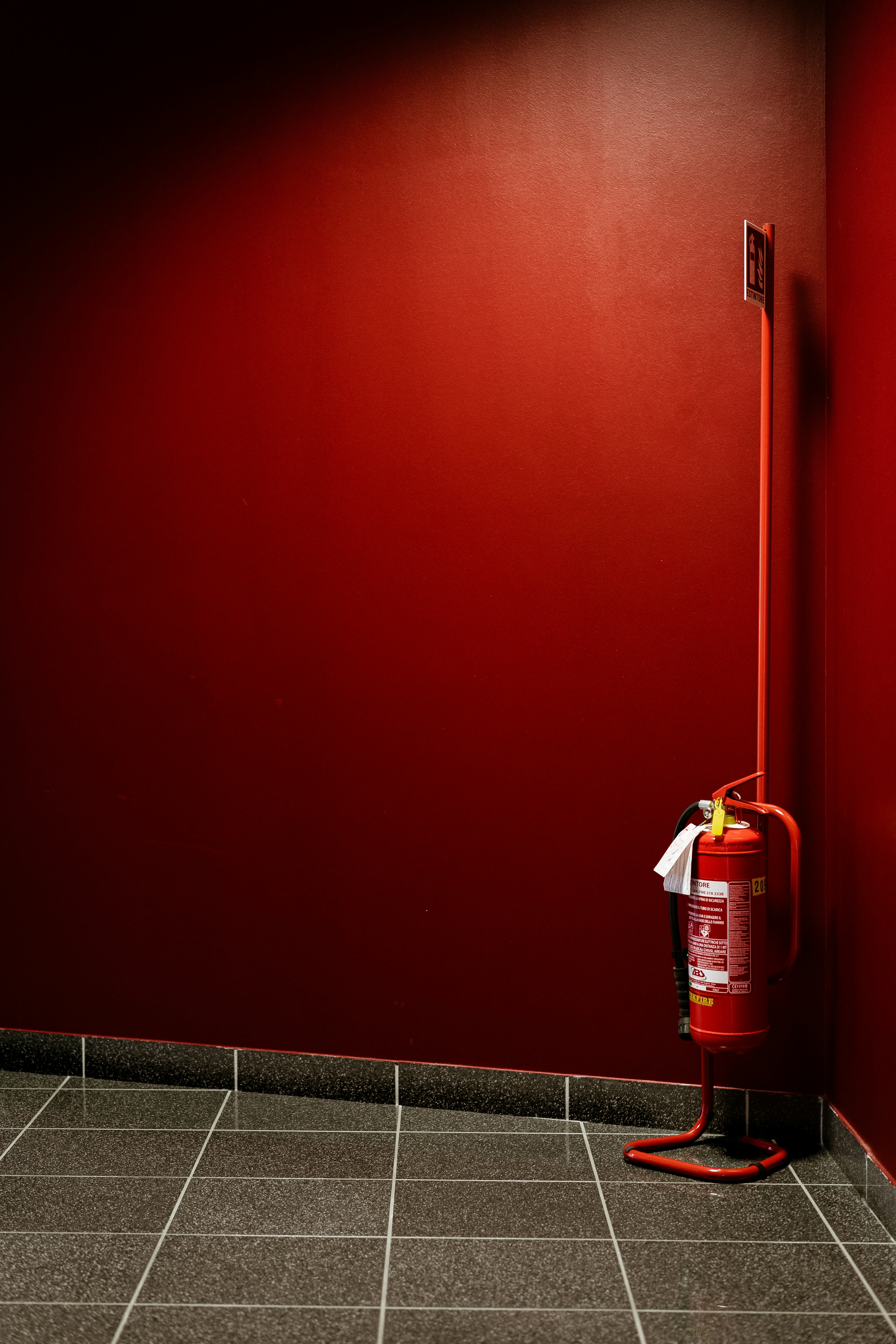

In the realm of architecture and construction, the pursuit of safety stands as an undeniably paramount objective. Among the myriad of hazards buildings face, fire poses one of the most formidable challenges. In response, architects, engineers and builders alike are continuously innovating to create structures that optimise the safety and well-being of occupants therein.
Understanding the dynamics of fire is the cornerstone of designing fire safe buildings. Fire designers meticulously study how fires propagate, spread and interact with various buildings and systems. This knowledge informs critical decisions regarding building layout, material selection and the integration of fire suppression and evacuation systems.
Central to the concept of fire-safe buildings is the principle of compartmentalisation. This involves dividing the structure into smaller, fire-resistant compartments to contain the spread of flames, smoke and toxic gases. Fire-resistant walls, floors and doors act as barriers, preventing fire from rapidly engulfing the entire building and providing occupants with vital time to evacuate safely.
Additionally, fire designers prioritise the creation of clear and accessible escape routes, ensuring that occupants can quickly and efficiently evacuate the building in the event of a fire. Wide staircases, well-marked escape routes and illuminated pathways enhance visibility and facilitate orderly evacuation, even in low-lit or smoke-filled conditions.
Passive fire protection features are integral to the design of fire-safe buildings. These include fire-resistant building materials such as concrete, steel and gypsum board, which can withstand high temperatures and prevent the spread of flames. Furthermore, intumescent coatings and fire-retardant sprays add an extra layer of protection, delaying the onset of structural failure and allowing more time for evacuation.
In tandem with passive measures, active fire-protection systems play a crucial role in mitigating the impact of fires. Automatic sprinkler systems, smoke detectors and fire alarms strategically installed throughout the building detect fires early and initiate suppression measures promptly. These systems not only suppress flames but also alert occupants and emergency responders, minimising the risk of injury and property damage.
Creating fire-safe buildings is not solely the responsibility of architects and engineers, but also requires the active involvement of building owners, occupants and local communities. Educational initiatives such as fire drills and emergency evacuation training will empower individuals with the knowledge and skills needed to respond effectively to fire emergencies. By fostering a culture of safety and preparedness, communities can work together to mitigate the risk of fire-related incidents and minimise the impact on their lives and properties.

The testing and maintenance of fire-fighting equipment are crucial aspects of fire-safety management for several reasons:
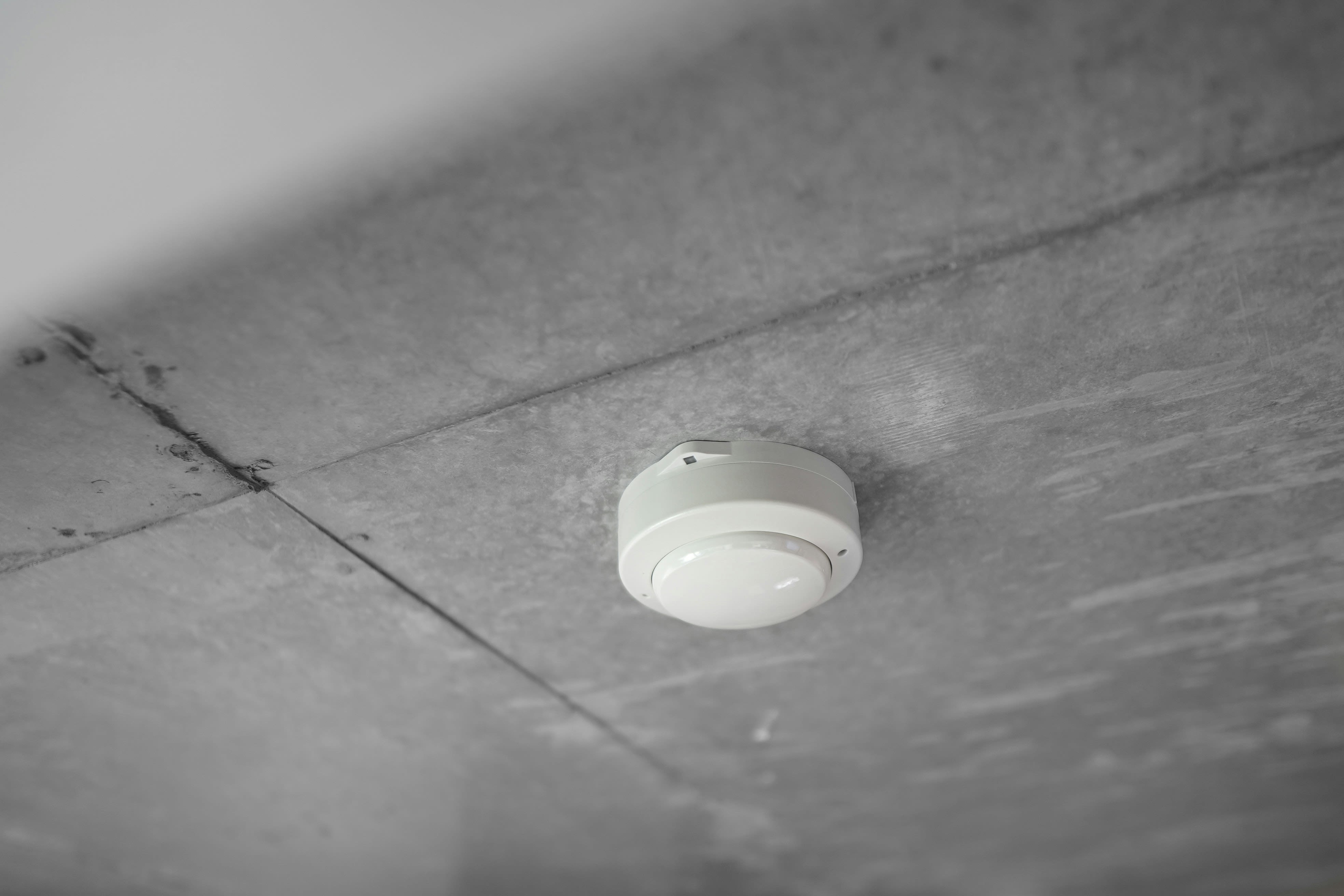
Photo by Yosuke Ota on Unsplash
Photo by Yosuke Ota on Unsplash
1. Operational readiness
Regular testing ensures that fire-fighting equipment such as sprinkler systems, fire pumps, water supplies, smoke detection systems, smoke extraction systems and emergency lighting are in proper working condition. This operational readiness is essential for effectively responding to a fire emergency.
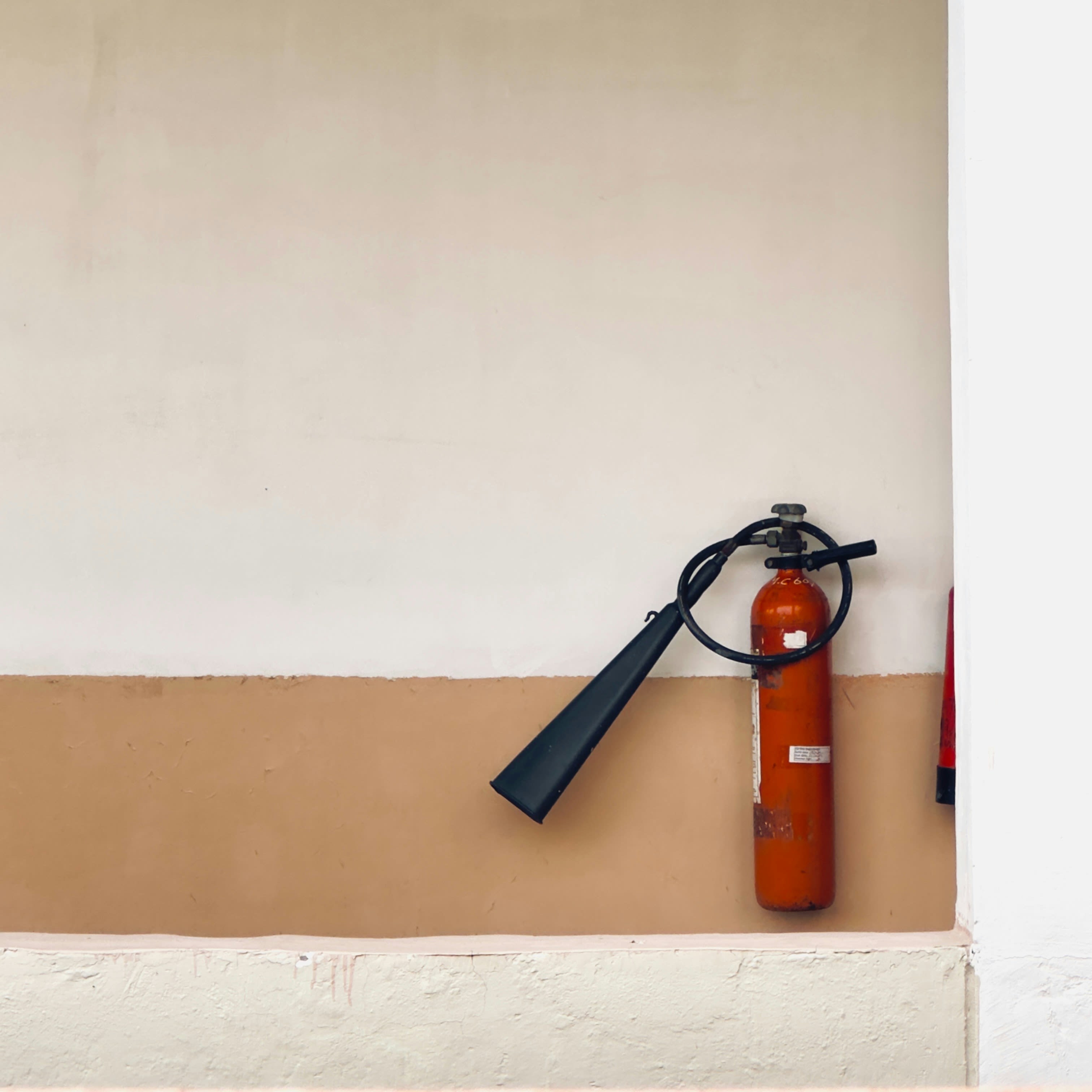
Photo by Jasmeet Singh on Unsplash
Photo by Jasmeet Singh on Unsplash
2. Reliability
Proper maintenance enhances the reliability of fire-fighting equipment. It ensures that the equipment functions as intended when needed, reducing the risk of malfunction during a fire incident.
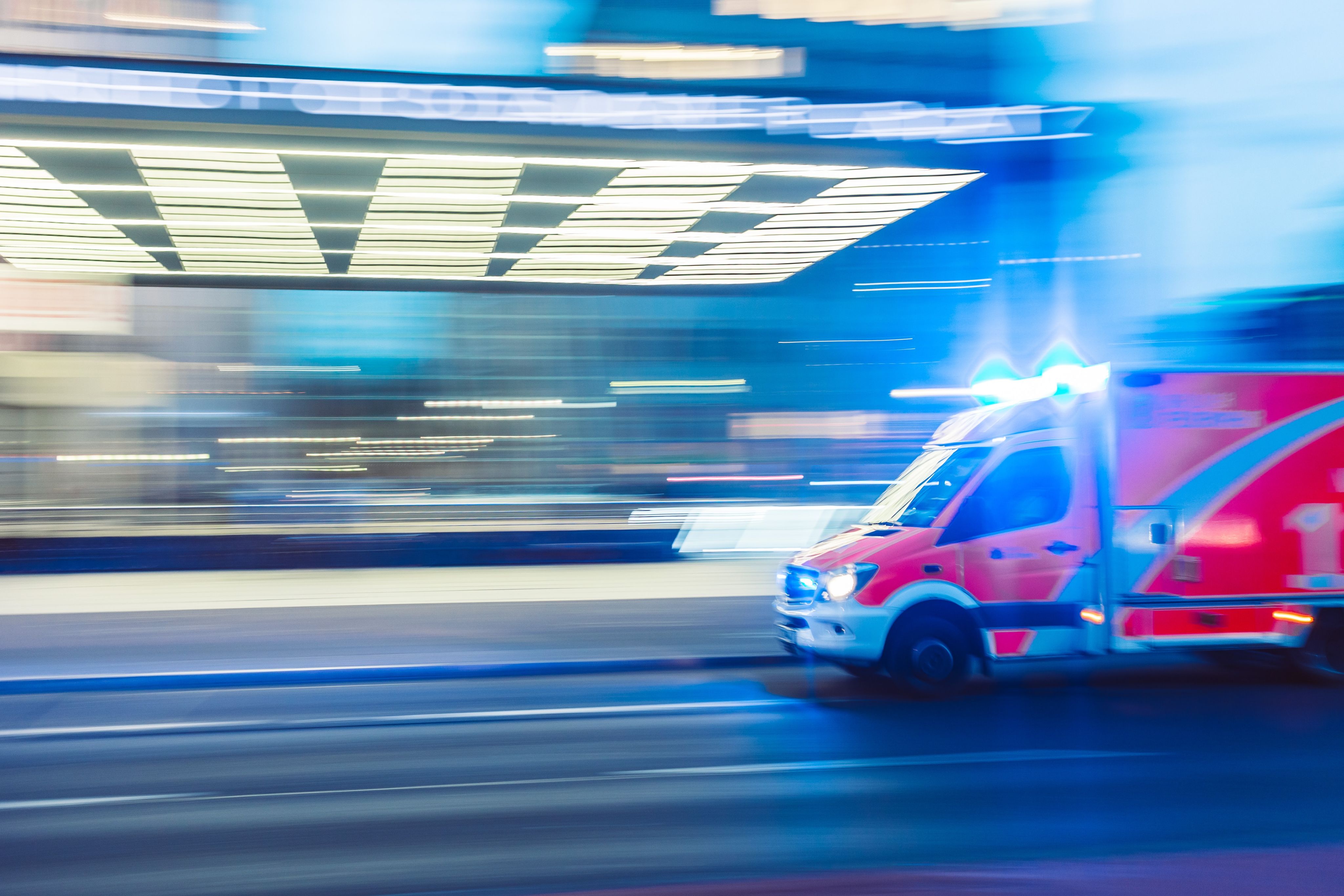
Photo by camilo jimenez on Unsplash
Photo by camilo jimenez on Unsplash
3. Early detection
Regular testing of fire alarm and detection systems helps in early detection of fires. This early warning allows occupants to evacuate safely and fire fighters to respond promptly, minimising property damage and potential casualties.
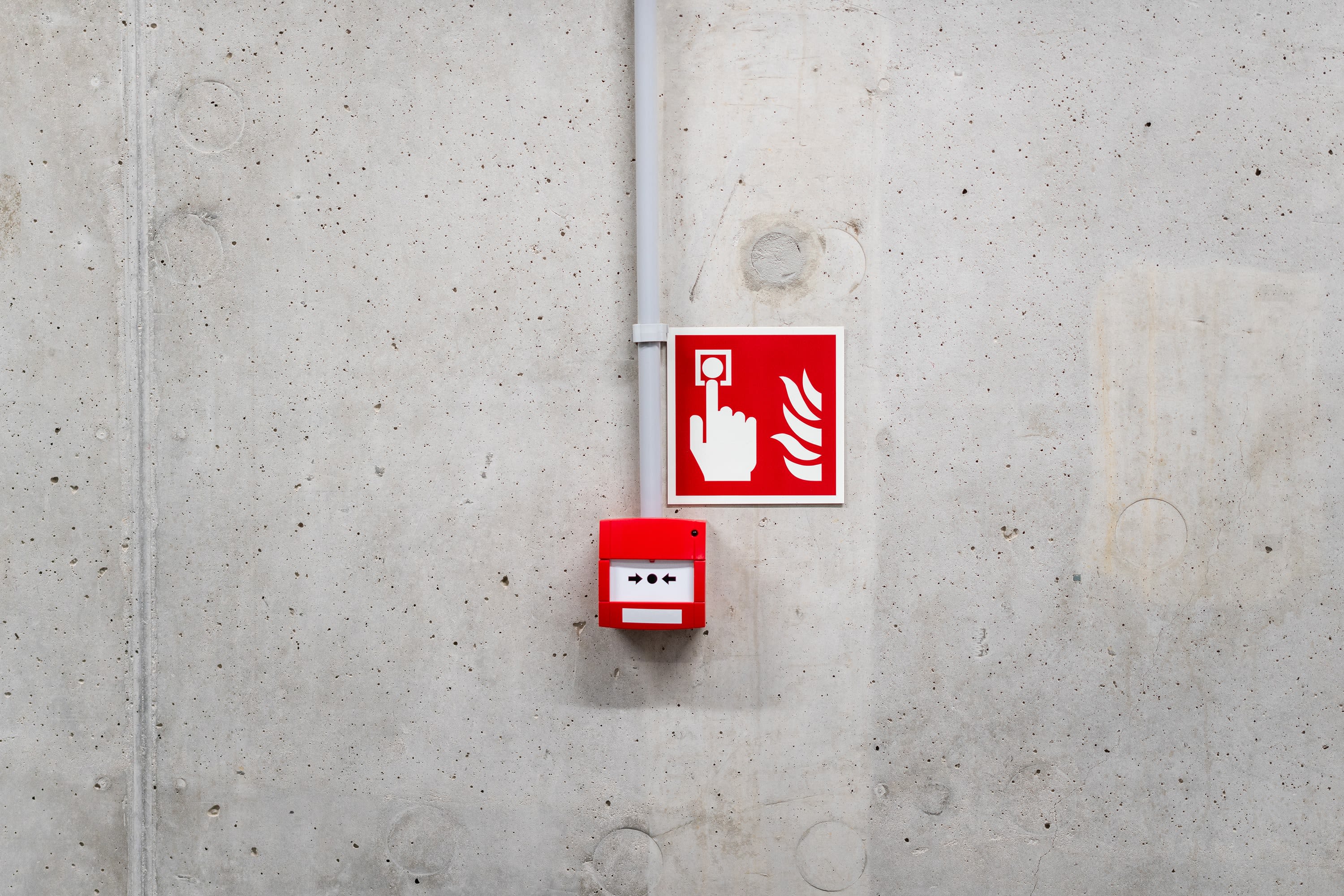
Photo by Jakub Żerdzicki on Unsplash
Photo by Jakub Żerdzicki on Unsplash
4. Cost savings
Regular maintenance helps identify minor issues before they escalate into major problems, reducing the need for costly repairs or replacement. It also minimises downtime
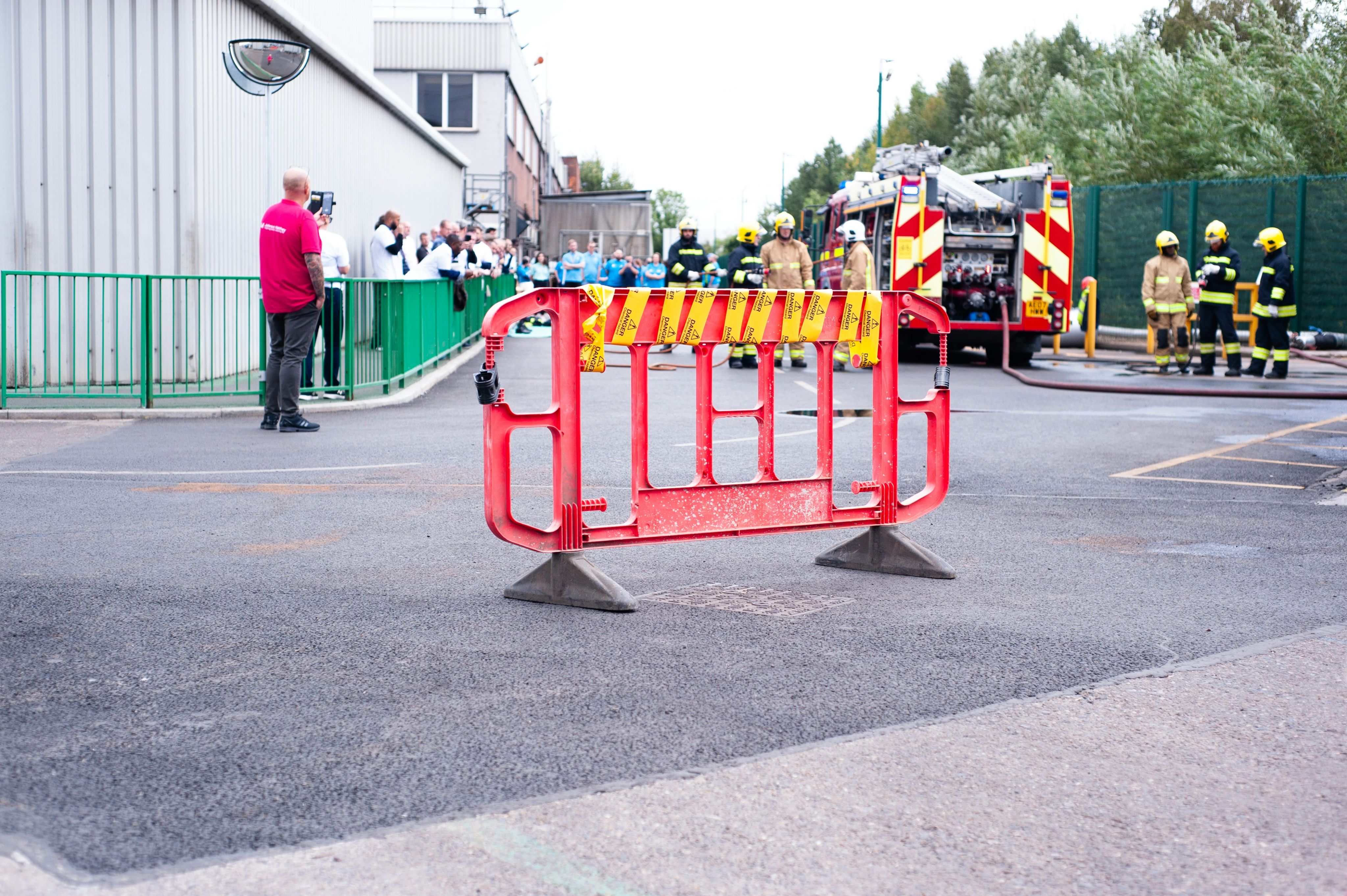
Photo by Harry Grout on Unsplash
Photo by Harry Grout on Unsplash
5. Peace of mind
Knowing that firefighting equipment is well maintained and regularly tested provides peace of mind to building owners, facility managers, occupants and other stakeholders. It instills confidence that appropriate measures are in place to address fire emergencies effectively.
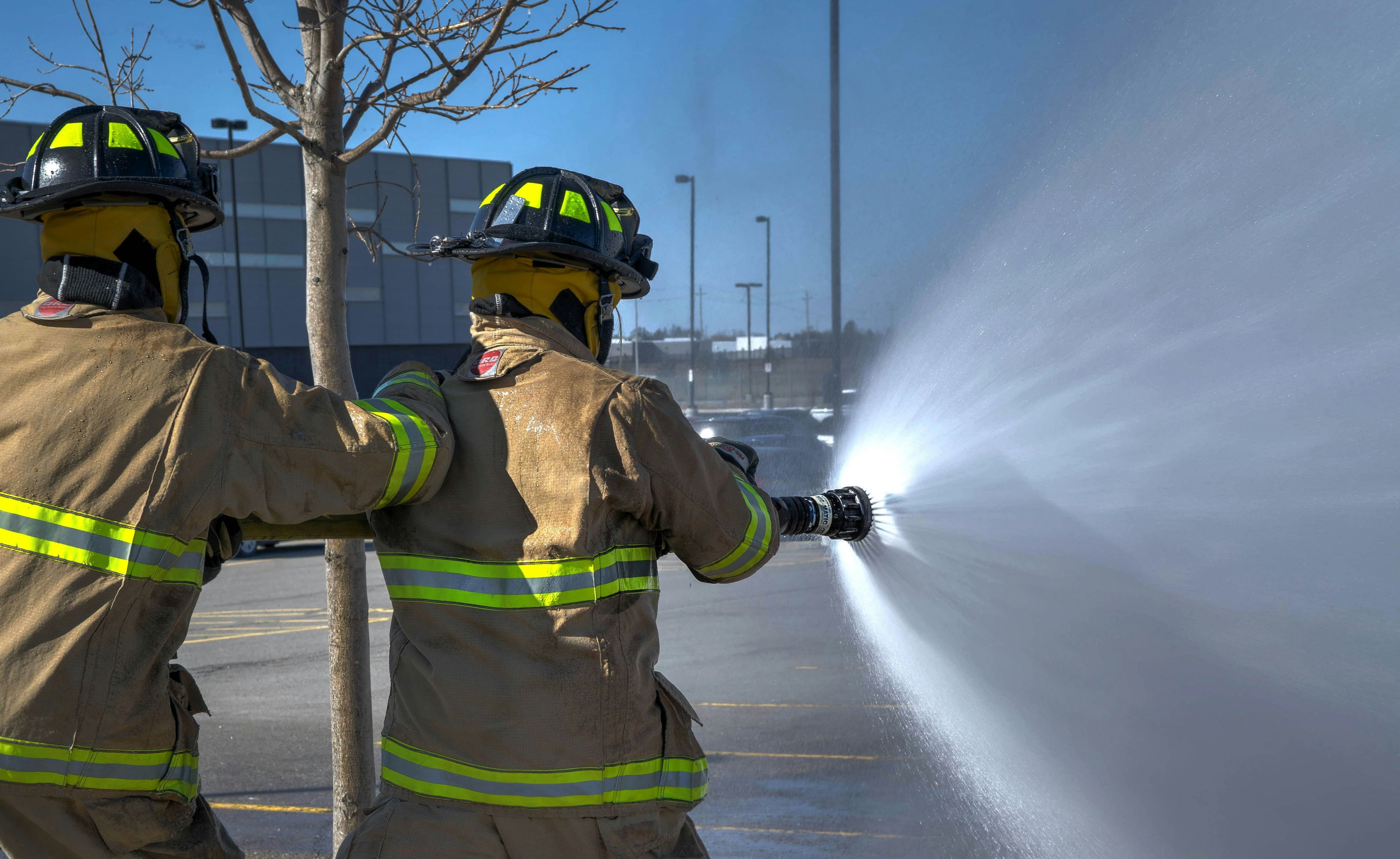
Photo by Michael Jeffrey on Unsplash
Photo by Michael Jeffrey on Unsplash
6. In summary
Testing and maintenance of firefighting equipment are essential practices that contribute to overall fire safety, regulatory compliance, risk reduction and protection of life and property.
The concept of fire-safe buildings represents a paradigm shift in the approach to design and construction. By prioritising fire-safety principles, integrating passive and active protection measures, leveraging technological innovations and fostering community engagement, we can create structures that not only provide shelter but also offer peace of mind to occupants. Building for safety is not just a goal; it is a commitment to protecting lives and safeguarding communities for generations to come.
 Built with Shorthand