
Heritage building reborn
A masterful blend of legacy preservation and contemporary design transforms a 1919 maritime landmark into a vibrant commercial and social hub.
Leading Architecture + Design | August/September 2025
Photography: Paris Brummer
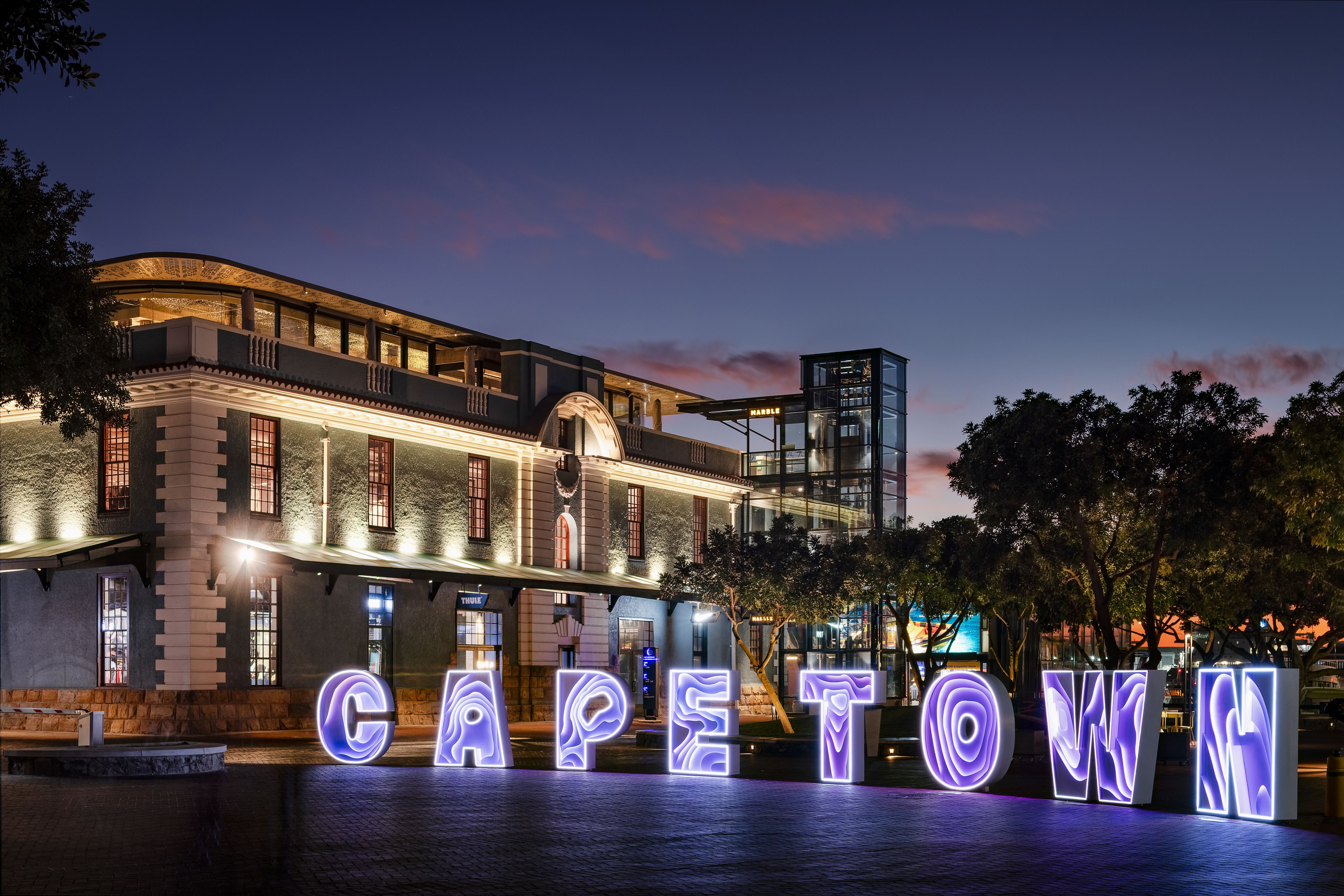

In the bustling heart of Cape Town’s V&A Waterfront stands a building that has witnessed over a century of maritime history. The Union Castle Building, constructed in 1919, occupies what can only be described as the fulcrum of the Waterfront – a strategic position that serves as the confluence of major precincts and movement routes. Yet for years, this architectural gem remained underutilised, its potential obscured by the challenges of age and outdated functionality.
The recent transformation of the Union Castle Building (UCB), alongside the adjacent Forum buildings, represents more than mere renovation. It formed part of a larger plan and vision which the Waterfront Development Team, headed by Niaz Ahmed and Migyle Stephens, had for the precinct. It exemplifies how thoughtful architectural intervention can breathe new life into heritage structures while respecting their historical significance. The project has successfully reimagined the UCB as both a destination and departure point, fundamentally enhancing the visitor experience and establishing itself as the beating heart of the Waterfront.
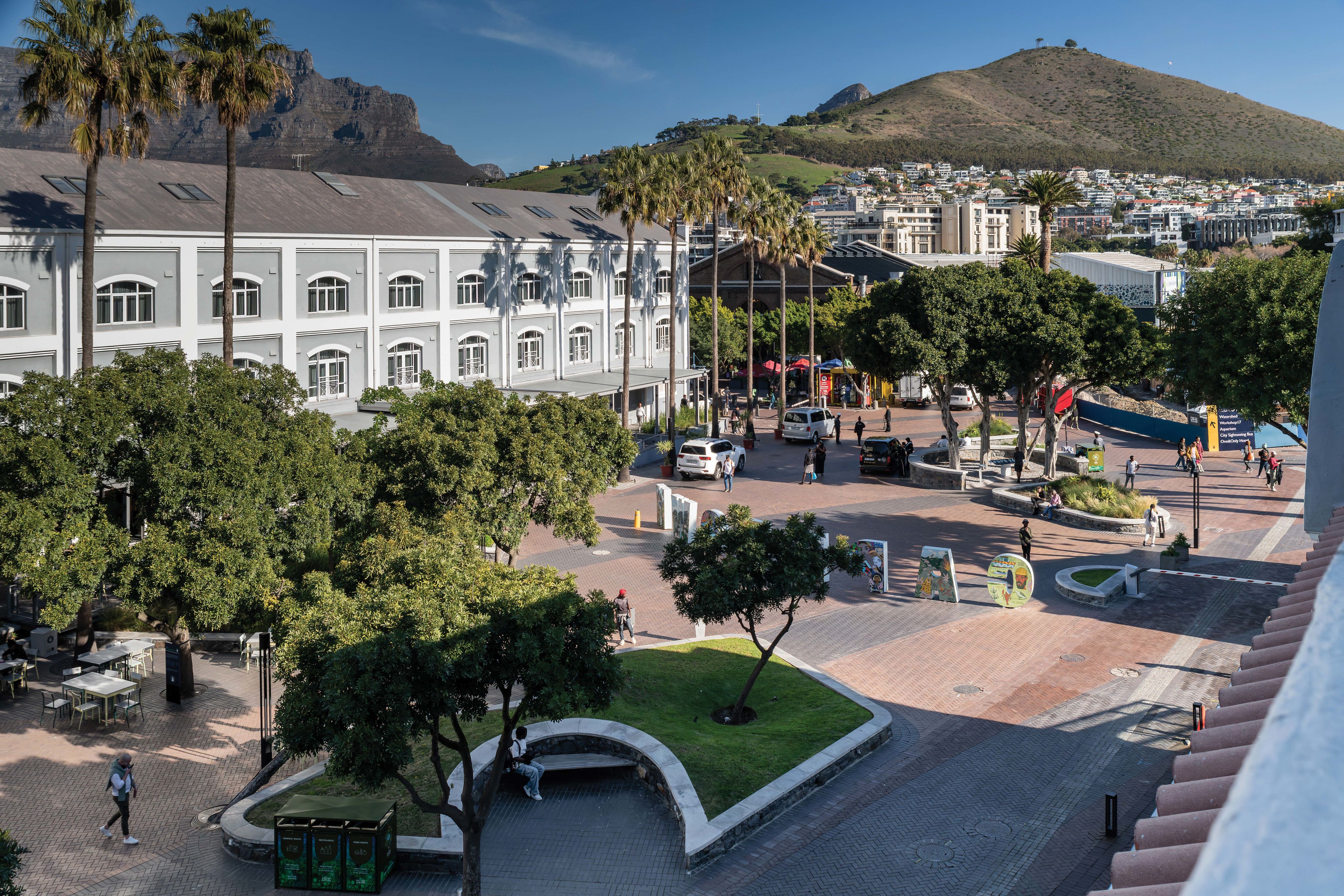
Positioned adjacent to Dock Road in the historic V&A Waterfront precinct, the Union Castle Building serves as a central point connecting the Breakwater/Granger Bay precinct, the iconic Clock Tower, Silos, and the Two Oceans Aquarium. This unique location sparked the conceptual approach of reimagining the UCB as a pivotal junction where movement routes converge and diverge.
The building now fronts newly created public spaces – The Union Square and Alfred Plaza – which help galvanize the structure as the focal point of the reinvented precinct. However, the project faced significant architectural challenges as a result of the period architecture, structural aspects and relevance.
The original design language of the UCB presented matters of legibility and transparency, with their deep structures and small openings limiting visual connection between interior and exterior spaces.

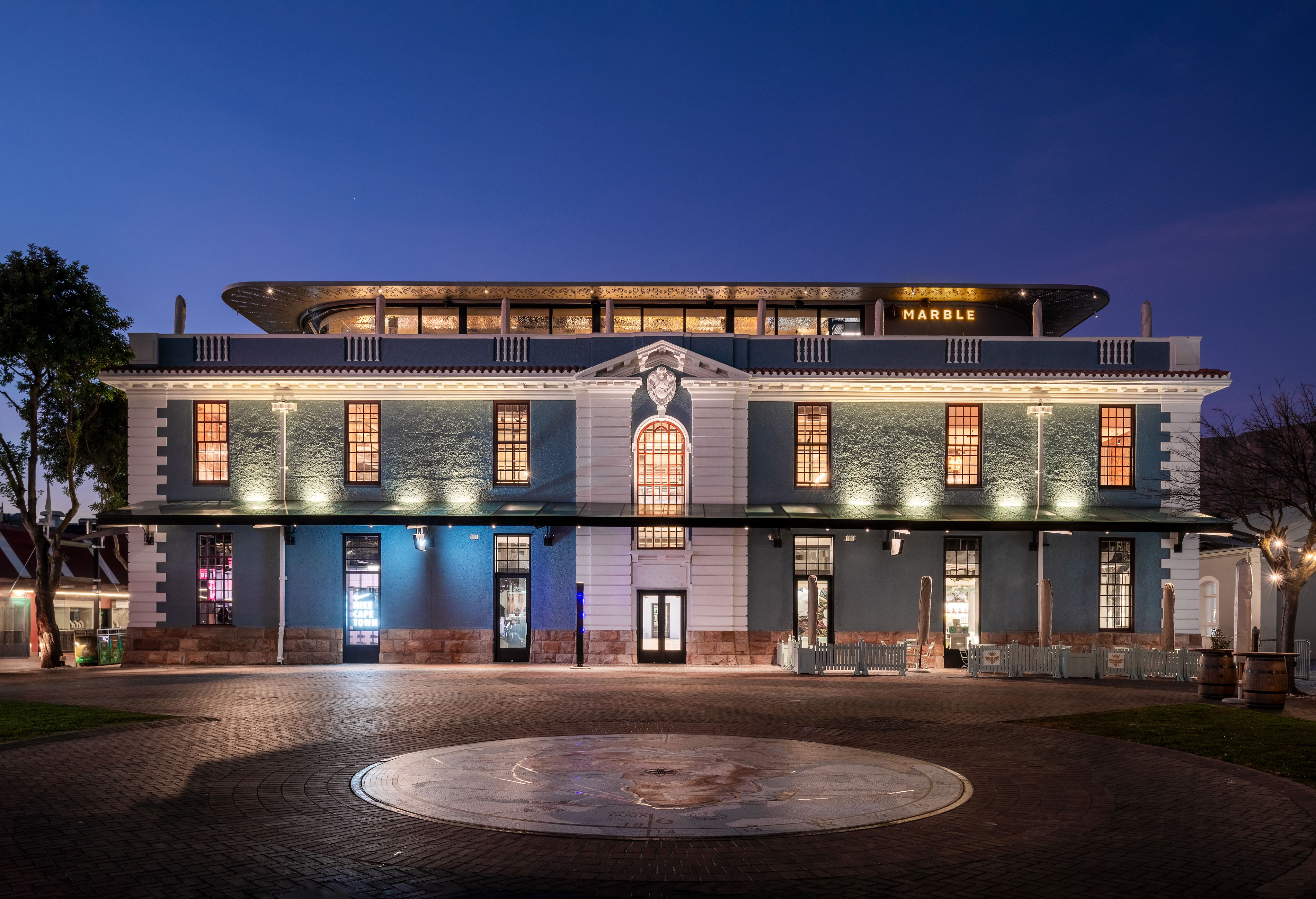

BRIDGING OLD AND NEW
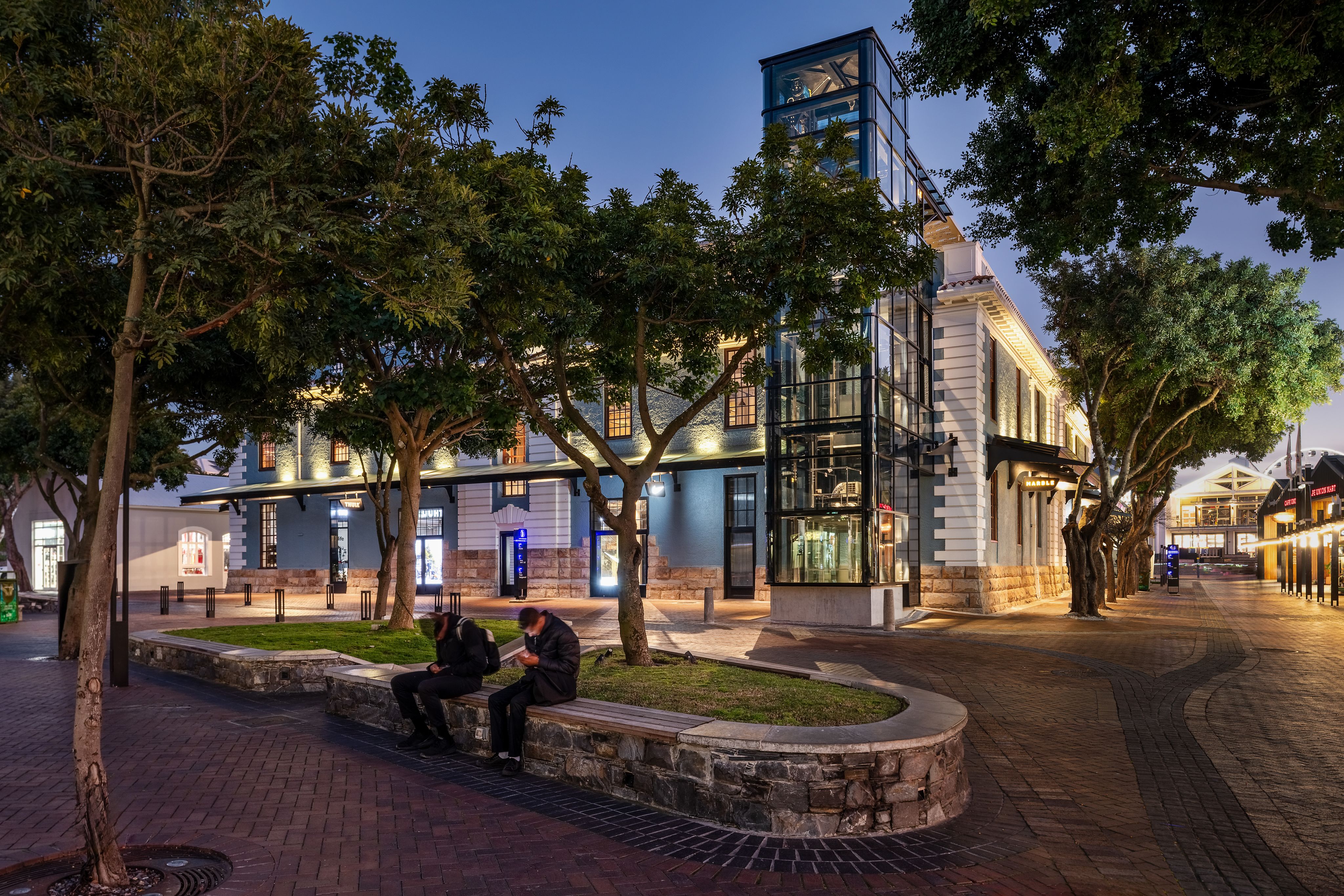
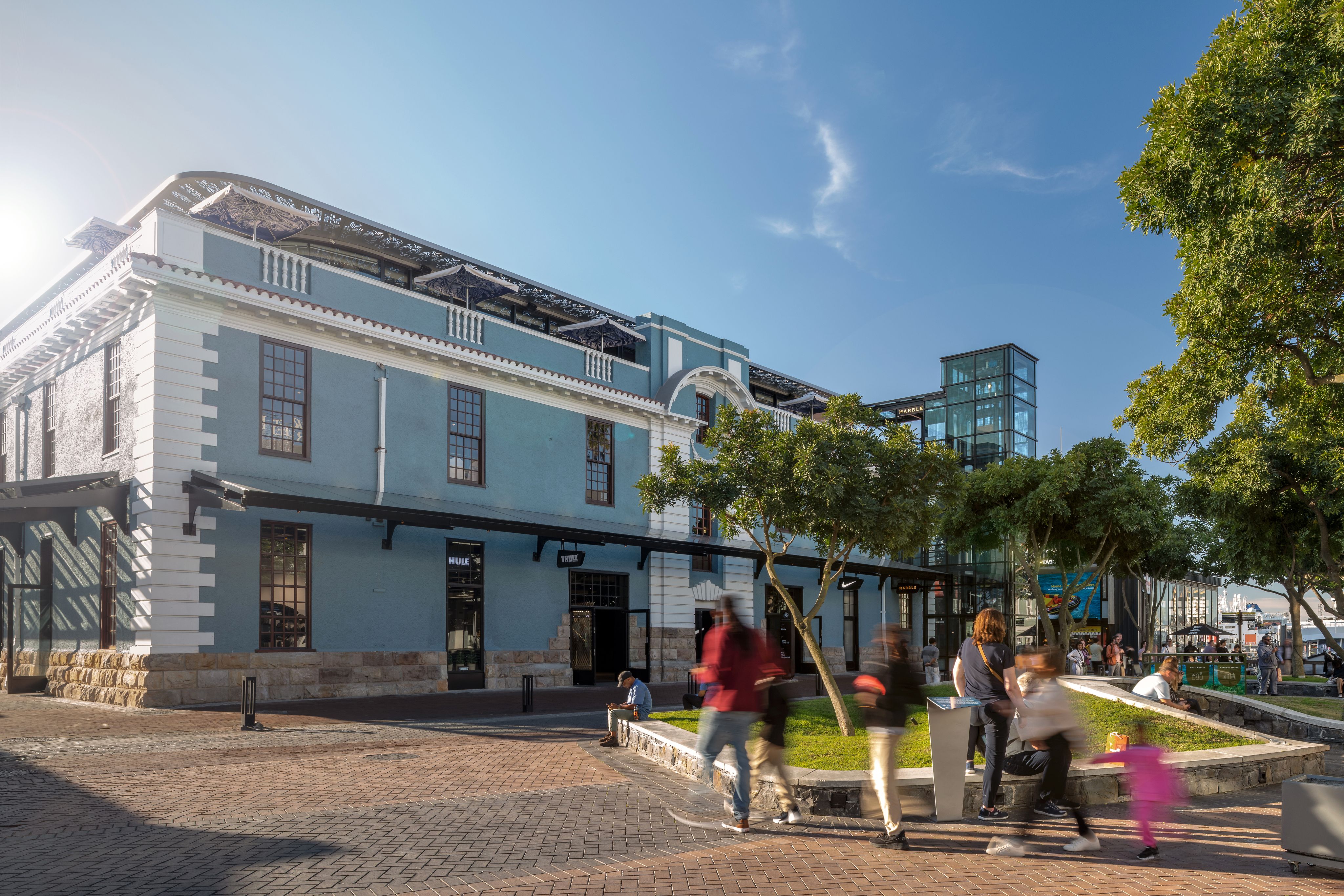
The design concept centred on creating transparency and connection while celebrating the building’s heritage. A wrap-around glass canopy and externalised core became integral to re-establishing relevance and transparency, allowing internal functions to become legible from the outside. These interventions created opportunities for concessions, activations and meeting spaces that breathe life into the structure, allowing the inside to spill out.
The rounded form of new additions purposely contrasts against the existing rectilinear geometry, creating a dynamic dialogue between historical rigor and contemporary fluidity. This approach extends beyond the building itself, utilising and informing the public spaces on either side – the bustling Union Square with its high footfall, and the Alfred Plaza, which required careful activation strategies.
The architectural strategy unfolds in distinct layers: a free-flowing ground floor encouraging thoroughfare,
a first floor pulled back from its internal façade to emphasise the heritage character while maximising natural light through double-height volumes, and a bespoke glazed pavilion restaurant crowning the composition.
Working with a listed building presented considerable heritage constraints, necessitating close collaboration with Heritage Western Cape and the Built Environment Committee (BELCom). Under the guidance of a heritage practitioner, the team navigated numerous submissions and ongoing engagements to ensure alignment with heritage expectations.
The preservation process began with addressing the limited existing documentation through a comprehensive Lidar scan, accurately recording the building’s detailed features. Digital tools, particularly Autodesk Revit, proved instrumental in visual storytelling for heritage approvals, effectively communicating design intent to the heritage council. It further became a valuable tool in the coordination of the services, which allowed for the exposed soffit and ceiling philosophy to contribute positively to the final product.
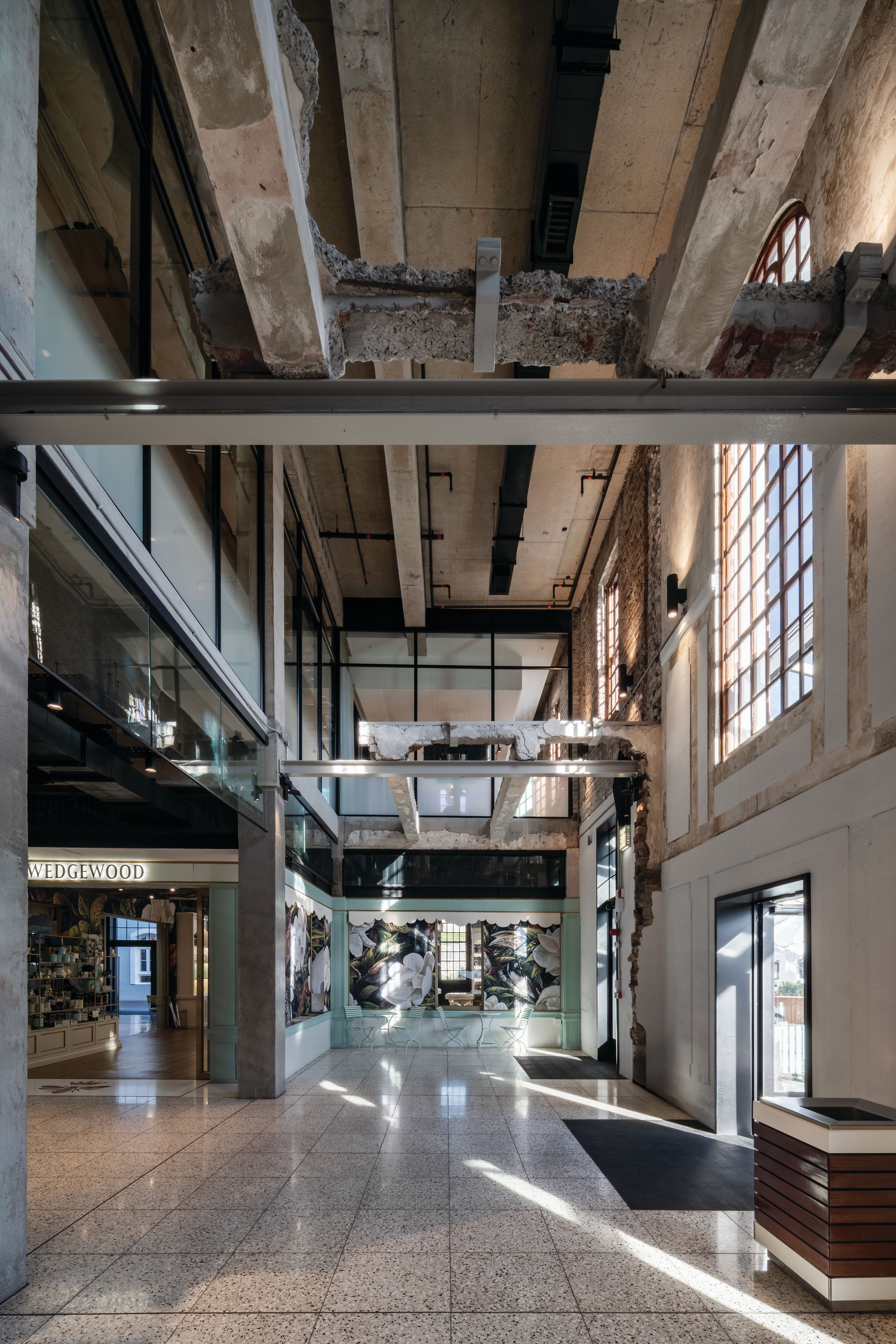
The project’s primary goal remained unwavering: to rejuvenate and celebrate the building’s legacy while ensuring its preservation for future generations. This meant retaining original structural elements – the heritage beams remained in place, supported by carefully inserted new steel elements that honour the building’s legacy while ensuring structural integrity.
The exterior’s classical design language – with its rusticated stone base, plaster quoining, tall vertical windows, symmetrical façades and prominent plastered cornice and decorative parapet – was meticulously maintained, ensuring the building’s architectural DNA remained intact.

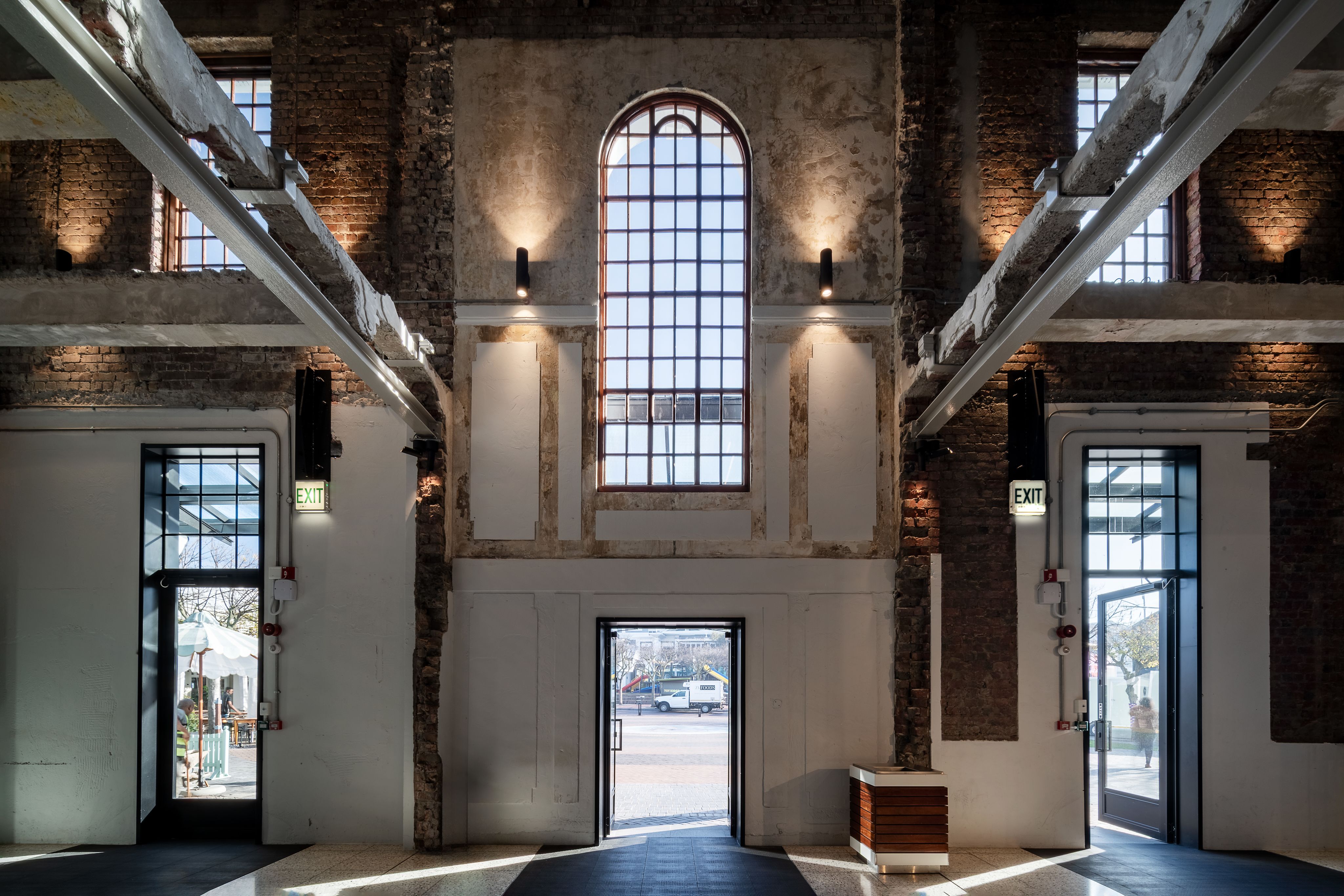
MATERIAL HARMONY
The refurbishment and rejuvenation strategy involved a sophisticated blend of preserving original materials while integrating new elements to modernise the space.
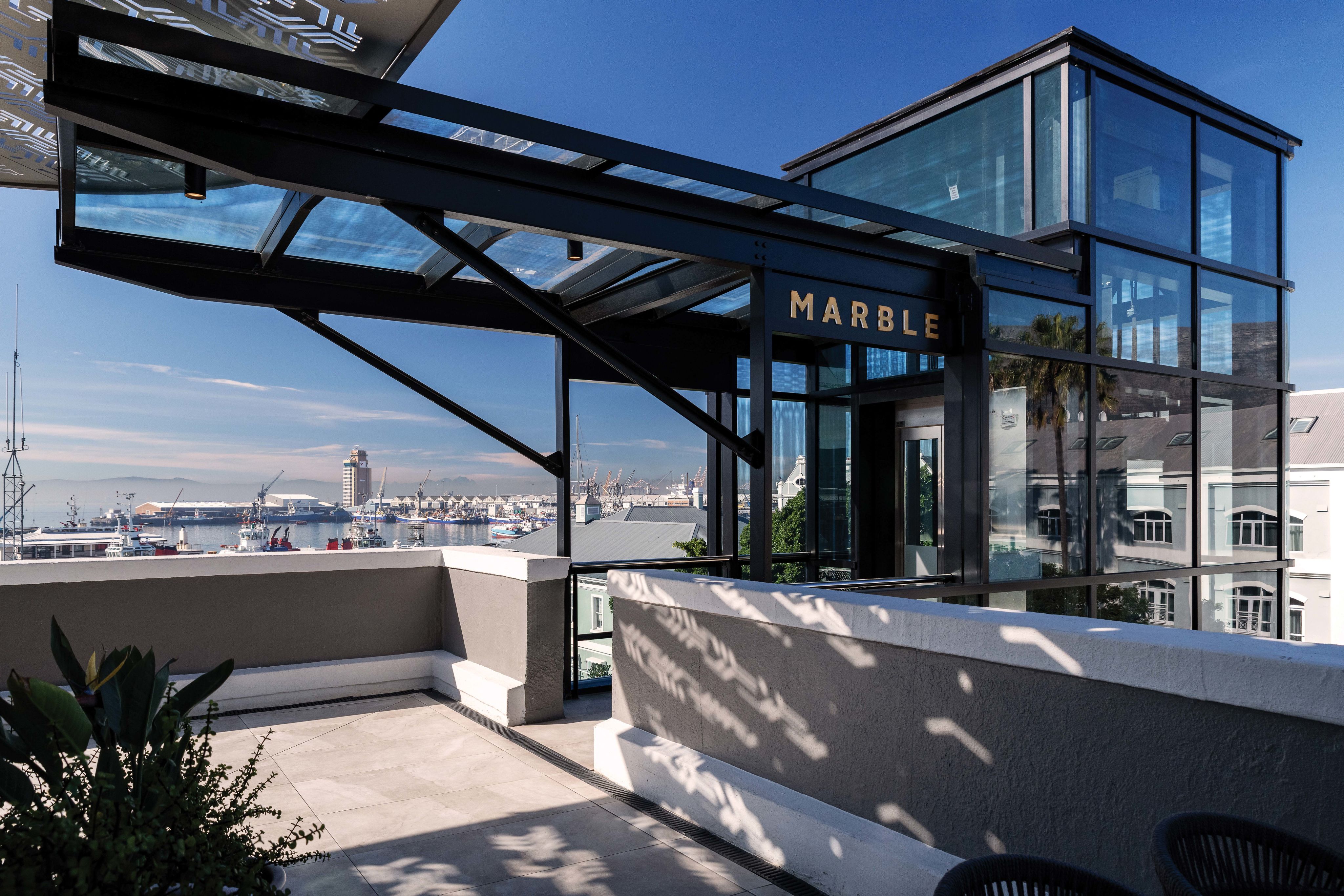
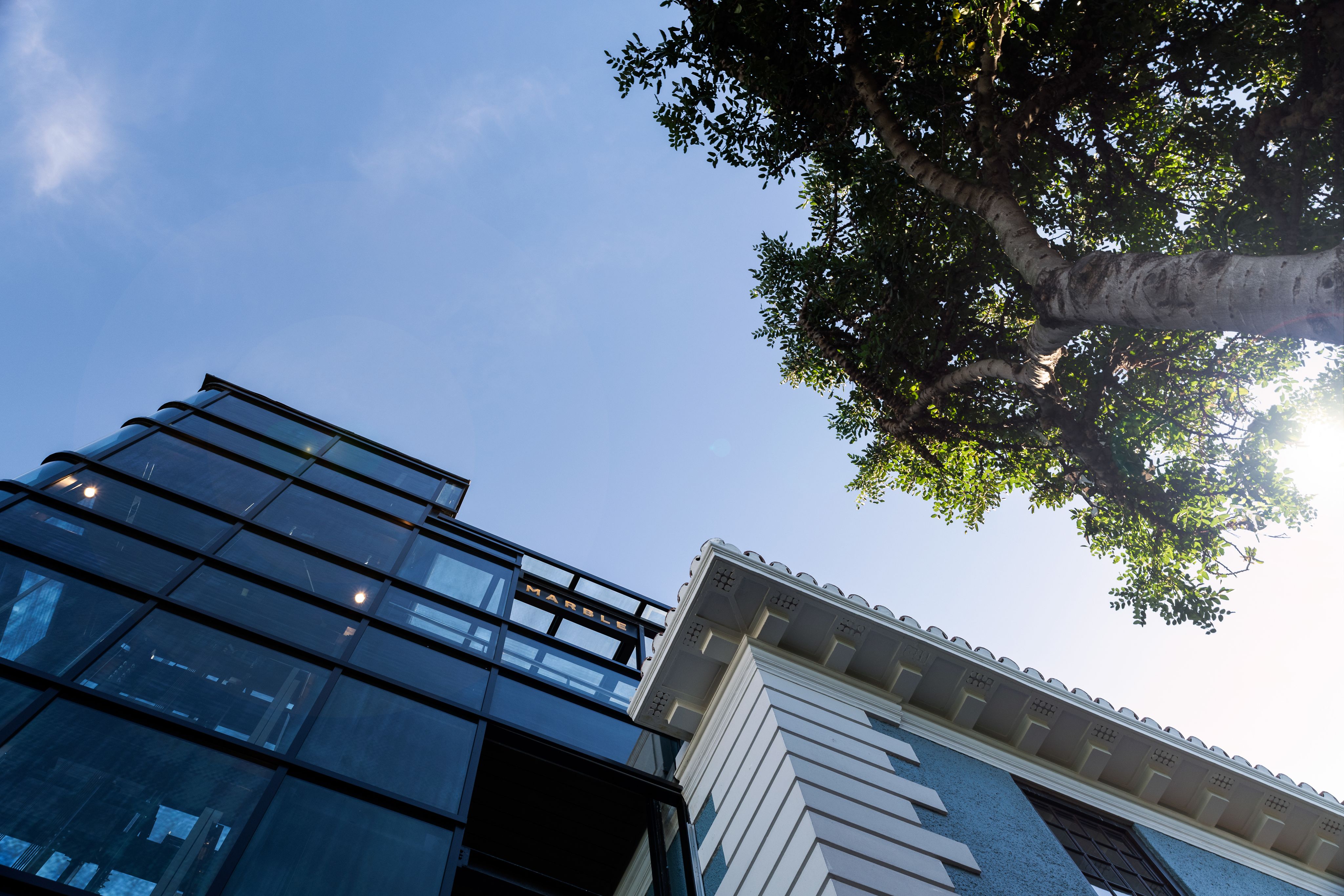
A new glazed scenic lift became a key design feature, providing access to upper floors while externalising the building’s activities and offering spectacular views of the city and greater V&A Waterfront. Curved glass corners emphasise the contrast of the new additions, while a bespoke glazed pavilion maximises the panoramic views and completes the refreshed approach to the UCB and adjacent spaces .
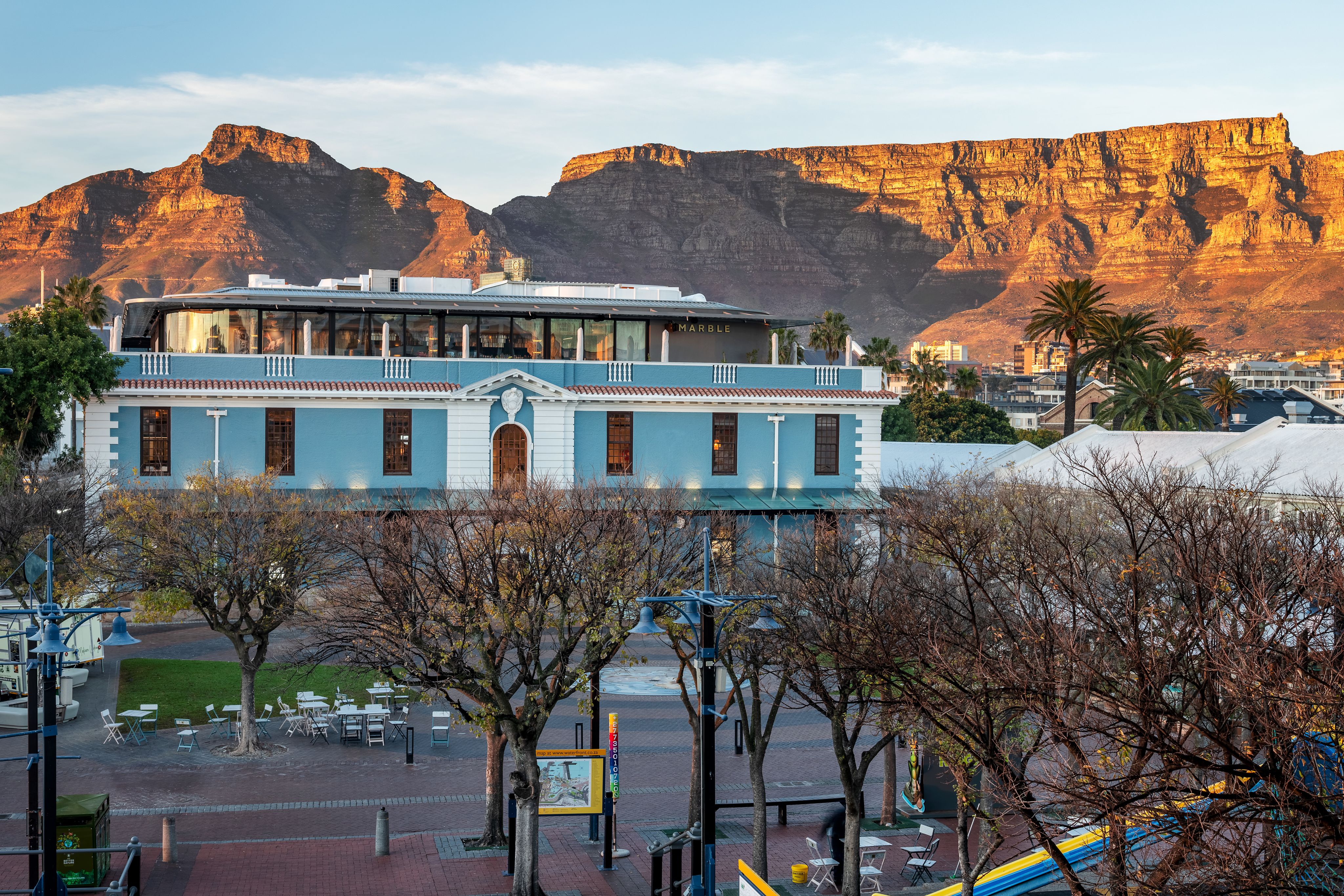
The exterior’s rusticated, battered stone base and plaster quoining were carefully restored and, together with the prominent plastered cornice and decorative parapet, maintain the building’s classical grandeur.
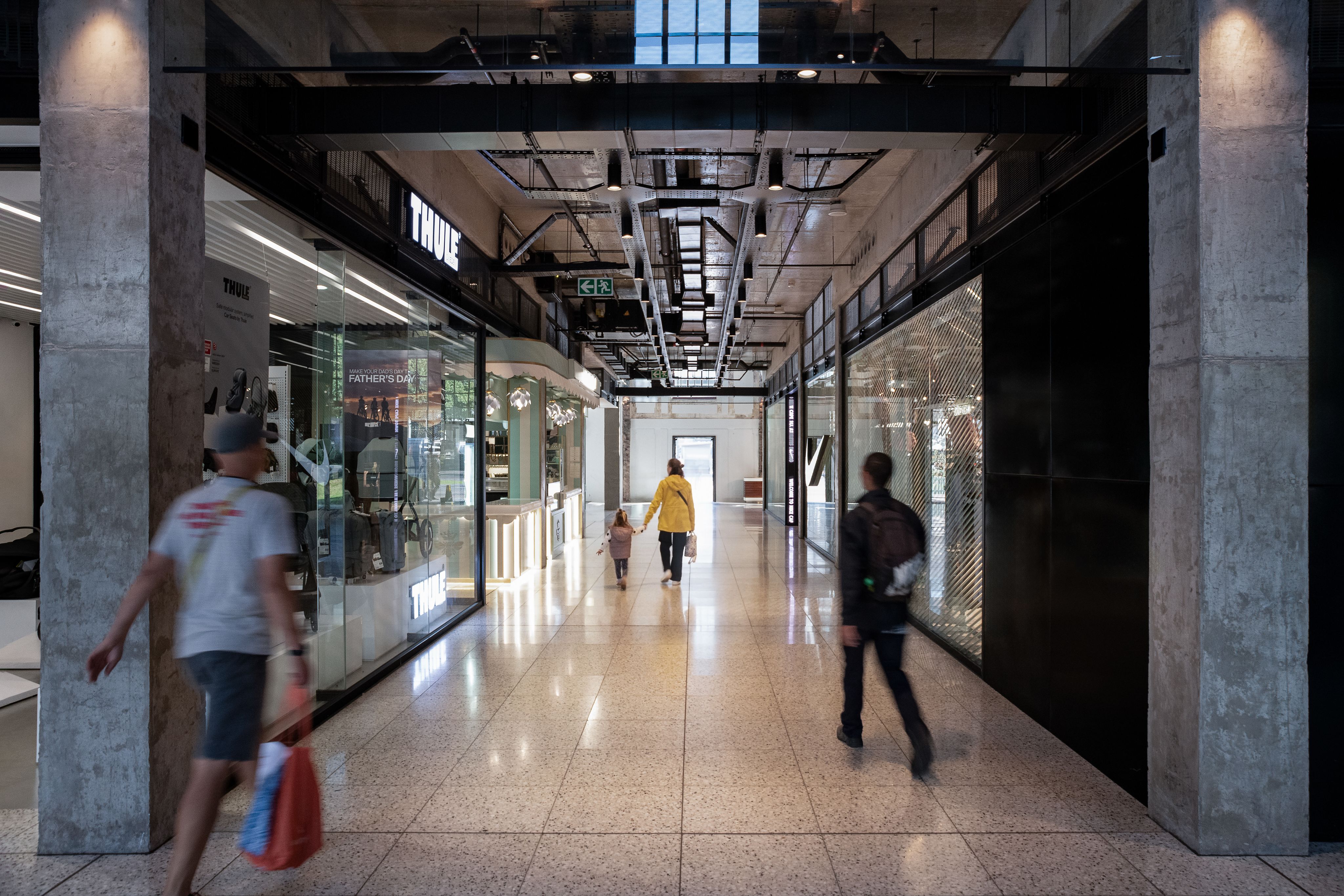
Existing timber windows and doors were meticulously repaired and restored. Terrazzo floor tiles in the mall strengthen the connection between retail spaces and the broader material palette. A tailor-made, powder-coated aluminium sunscreen was added to the glazed façade, providing essential shading while reinforcing the contrast between old and new elements.




COMMERCIAL SUCCESS
The UCB’s redevelopment successfully attracted high-profile tenants, including global brands Nike, Thule and H&M, alongside strong local offerings such as Marble Restaurant and Wedgewood. This commercial success validates the design approach, which had to align with high-end retail and hospitality standards.
The architectural strategy directly facilitated these commercial requirements through the free-flowing ground floor, the dramatically pulled-back first floor creating double-height volumes with filtered light, and the bespoke glazed pavilion addition, which maximises location and panoramic views. The contrast between heritage and modern elements – preserved roof sections, clerestory lighting, and triple-height volumes – creates an enriched retail environment framed by the building’s layered history.
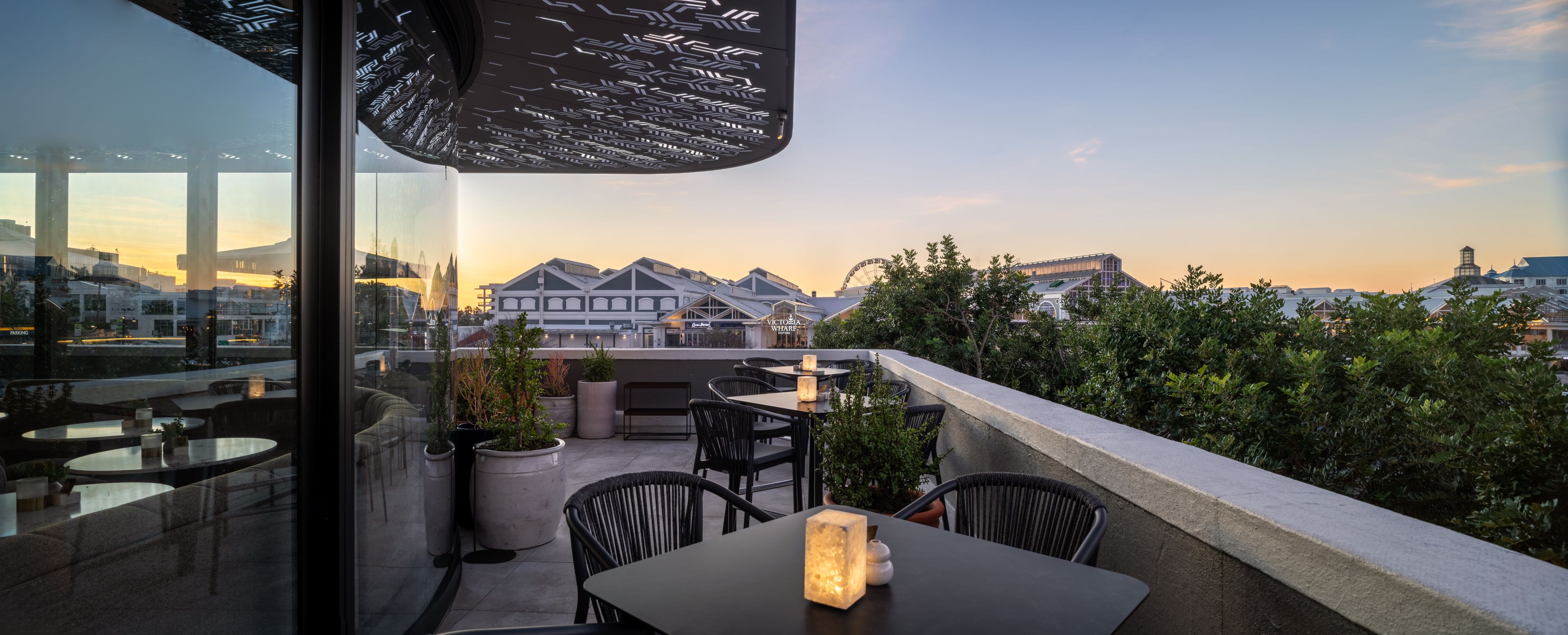
The glazed scenic lift serves as more than circulation; it’s a pivotal design principle that externalises the building’s activities, animating the functions and movement, while providing spectacular views. The wrap-around terrace on the second floor extends this experience, offering 360-degree vistas that connect diners at the glazed pavilion restaurant with the broader waterfront context.
This elevated dining experience, with its prominent location and views, contributes to a vibrant urban space that improves pedestrian experience and adds animation to the building’s façade and adjoining public spaces, cementing the UCB’s role as a contemporary social hub.
PUBLIC SPACE INTEGRATION
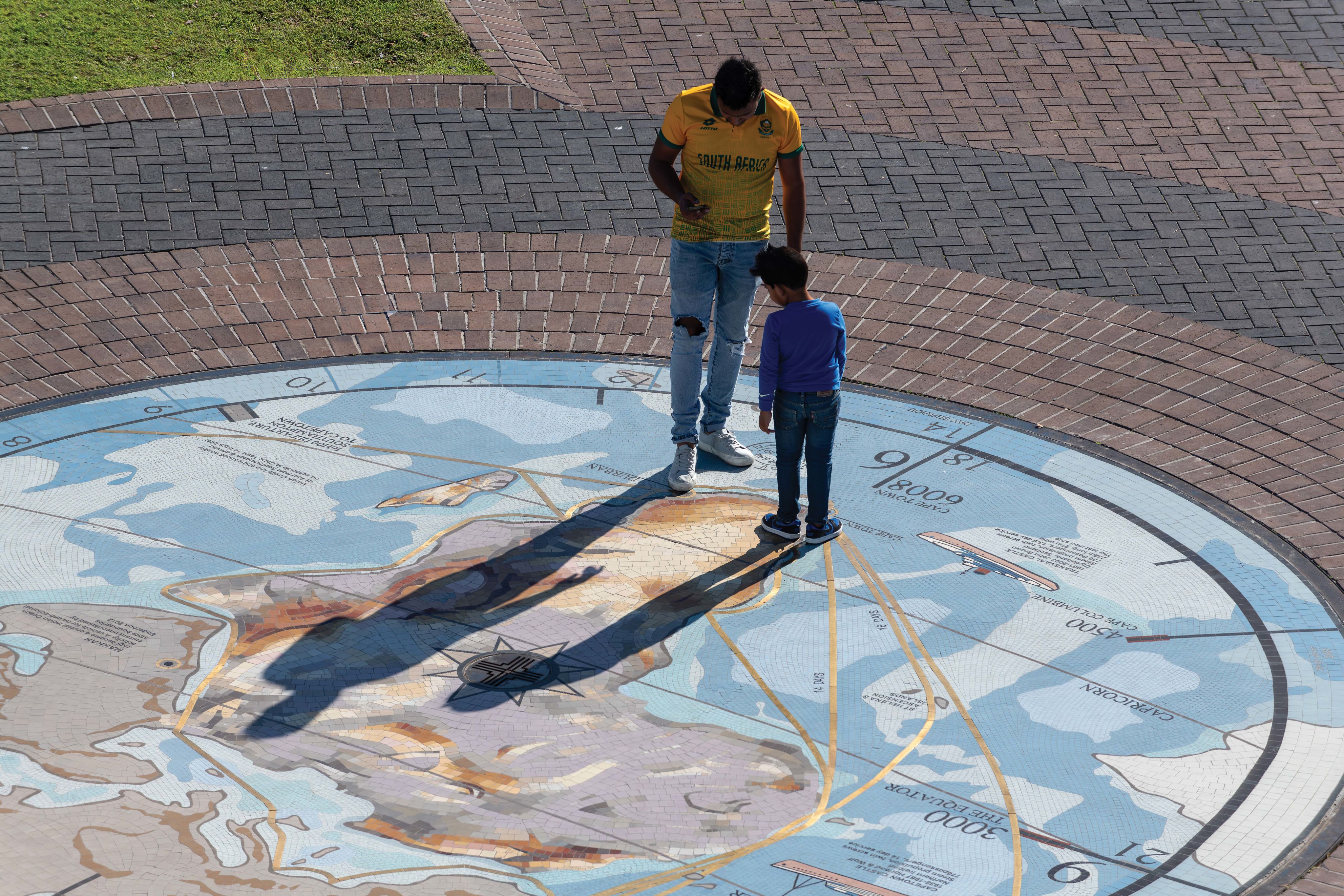
The UCB’s success extends beyond its walls to the public realm. Union Square features a centrepiece mosaic that pays homage to the maritime communication and technological advances of the liner era. The concept reflects the clockwork precision required of the mail service, with its competitive nature driving innovation from wind to steam and diesel power – representing humanity’s early hunger for instant communication and global connection.
The 6,008-mile journey from Southampton to Cape Town, varying from 42 to 14 days, is commemorated through brass strips representing sea routes, with major stops highlighted in brass rings. The South African postage stamp motif nods to the building’s 1919 opening, while the paving pattern of concentric circles radiating from Union Square creates visible connections across the public spaces.
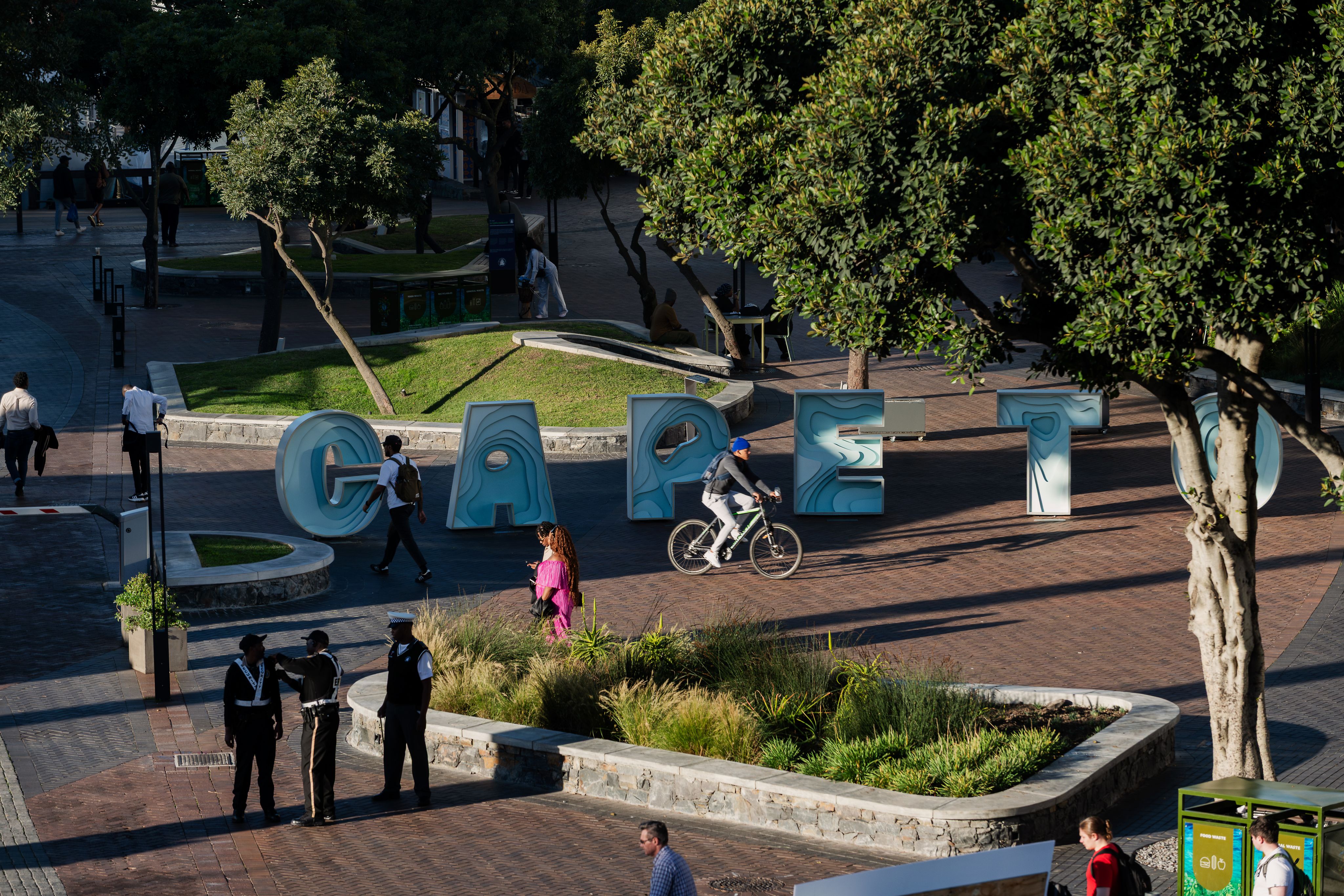
Alfred Plaza received equally thoughtful treatment, becoming home to the iconic ‘Contours of the Cape’ sign inspired by the region’s topography. Planters with built-in seating, constructed from reused Balau decking and clad with salvaged shale, house indigenous Cape Flats Dune Strandveld, Ericaceae, Peninsula Granite Fynbos, Proteaceae, and Restionaceae. The revitalised space now serves as an improved backdrop for busking and performance activities, historically prominent in the precinct.
The Union Castle Building stands as a compelling example of adaptive reuse, demonstrating how historic buildings can be preserved and repurposed to meet contemporary needs, embodying Cape Town’s ability to reinvent itself while remaining rooted in its rich maritime history.
The project proves that architectural heritage and digital transformation can coexist and thrive, honouring the past while embracing the future. The building’s external appearance remains classically dignified – a testament to its maritime legacy – while the stark contrast of newer elements adds another layer to its ongoing story.
Reinforced with a new concrete structure ensuring survival and robustness well into the future, the Union Castle Building exemplifies how thoughtful intervention can make historic structures relevant to today’s demands. It stands not merely as a preserved monument, but as a living, breathing part of Cape Town’s urban fabric – a heart that beats with both historical memory and contemporary vitality.
The success of this transformation lies not just in its architectural achievement, but in its demonstration that heritage buildings can be more than museums. They can be vibrant contributors to urban life, commercial success stories and catalysts for broader precinct regeneration. The Union Castle Building has found its new voice while never forgetting its original song.

Professional team
Client: The V&A Waterfront Company Architect: KMH Architects Project management: Candor Consulting Structural engineer: LH Consulting Electrical engineer: KLS Engineers Fire Consulting engineer: Solution Station Quantity surveyor: BTKM Quantity Surveyors Wet services engineer: Benatar Consulting Mechanical engineer: Design it Green Heritage consultant: Rennie Scurr Adendorff Sustainability consultant: PJC

Leading Architecture + Design is South Africa’s leading showcase of the country’s most exciting and innovative architectural and design projects. This bimonthly magazine speaks directly to South Africa’s architects, interior designers, engineers, construction companies and property developers. It also offers readers a showcase of the latest innovations, products and developments in the field of architecture and its related industries. The print edition of Leading Architecture + Design is complemented by a vibrant website, fortnightly newsletter and social media platforms.
 Built with Shorthand