

Ethical issues in Psychiatric Practice
Emeritus Professor Tuviah Zabow joined us for an overview of current ethical issues in psychiatric practice.

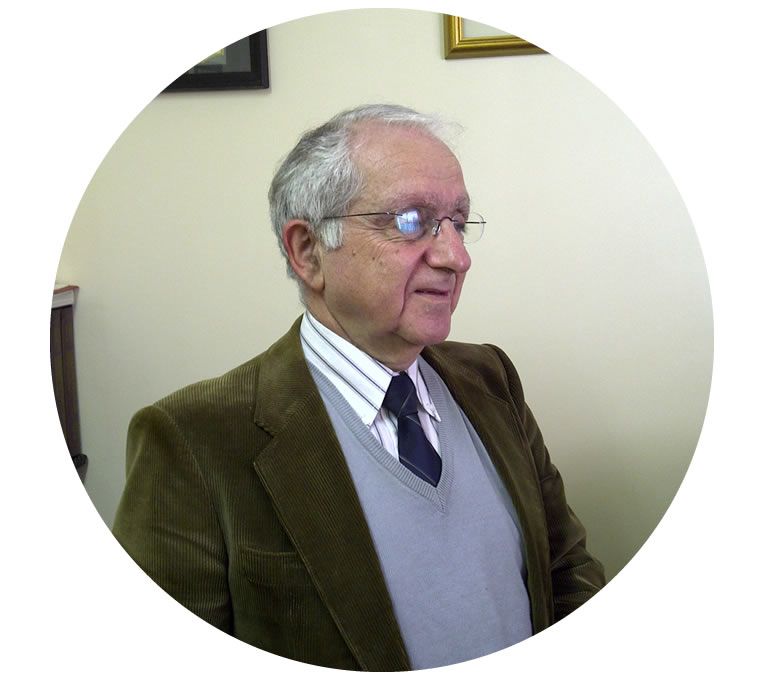
Professor Tuviah Zabow
Professor Tuviah Zabow
Medical Academic Perspectives 04 - August/September 2025






Medical Academic (MA): Hi Prof, thanks for joining us. What, in your view, are the core principles applicable to modern mental health practice?
Prof Tuviah Zabow (TZ): In my view, the correct approach should be to take the principles of bioethics and then apply them to mental health practice. Modern psychiatry emphasises ethical principles, respect for patient autonomy, and acting in the patient's best interest to avoid harm. These principles guide psychiatrists in navigating very complex situations, especially regarding confidentiality, informed consent and conflicts with the wellbeing of the patient.
Modern psychiatry has evolved considerably in terms of its ethical considerations, particularly in relation to patient rights and, recently, the role of technology. It places a great emphasis on patients' autonomy.
MA: How is patient autonomy applied in psychiatric treatment in respect of involuntary hospitalisation and use of medication?
TZ: Essentially, patients have the right to make decisions about their own treatment, even if those decisions differ from the psychiatrist's recommendations. These include the right to refuse treatments and the right to be fully informed about their condition and treatment options.
Now there's been a shift over the years from paternalism - the doctor knows best - to autonomy. Modern psychiatry emphasises patient autonomy. But if these patient decisions differ from the doctor's recommendations, then we have ethical dilemmas and conflicts, and the question then becomes whether we can override patient's autonomy in certain clinical situations.
In these situations we must be guided by beneficence. Doctors have to balance the need to help the patient and the patient's right to make their own decisions. So involuntary hospitalisation procedures are strictly controlled, because of the potential for abuse or undue influence over the patient. In South Africa, these are set out in the Mental Health Care Act and they are step-by-step guidelines in the legislation on performing involuntary hospitalisations.
MA: How should health professionals handle confidentiality when the patient poses a risk to themselves or others?
TZ: Now obviously the important issue in the ethical concept of confidentiality is protecting patient information. And this is crucial in psychiatric practice for building trust and developing open communication. If there is no understanding on confidentiality between the patient and the therapist, we would not be able to practice.
There are exceptions, such as when the patient poses a threat to themselves and to others, or when it's mandated by law to break confidentiality.


The ethical principles guiding access to psychiatric care are justice and fairness.




MA: What ethical issues arise in the informed consent process for psychiatric management, especially for patients with severe mental illness?
TZ: Informed consent as a bioethical principle is supreme in all areas of patient care and health. Patients must be provided with sufficient information about their condition, what the treatment options are, what the potential risks are, what the benefits are, and available alternative treatments, before they agree to treatment.
Patients have to be assured that the treatment you wish them to pursue is the best treatment available. Now, in severe mental illness, one would have to assess the patient's capacity to be able to give informed consent.
There are structures and guidelines in place for this. Patients must be provided with an understanding of their situation, in as much as they have the capacity to appreciate and accept this information. Essentially, they must be able to reason their way through your treatment plan for them and be able to repeat your reasoning back to you. Obviously, this is difficult for patients with severe mental illness.
MA: What are the ethical and legal implementations of the use of seclusion and restraint in mental facilities?
TZ: There are lots of misunderstandings in this area, which require clarification. There have been tremendous changes. Restraint as it is often portrayed in the moves – straightjackets and such - is completely prohibited in law and cannot be carried out at all in this country. Seclusion management is tightly controlled by strict protocols.
It's not just a question of locking a patient up in seclusion in a padded cell. The emphasis must be on protection and concern for all parties involved. That means concern for the patient but also the risk to others, such as other patients, staff members or the public.
MA: In South Africa, what are the ethical concerns regarding unequal access to mental health services, particularly in rural versus urban areas?
TZ: This is a concern worldwide due to a lack of facilities affecting disadvantaged population groups. The ethical principles guiding access to psychiatric care are justice and fairness. But please note that justice doesn't mean law in this situation. It means the availability of treatment and appropriate resource allocation. In rural and sparsely populated areas, resources for mental health care are recognized by the authorities as limited.
This is in fact a human rights issue and the provision and availability of care has to be considered in the same breath as education, health facilities and water provision. In rural areas, the expertise is not always available because of population numbers. Often rural areas are also places where state medical facilities predominate, and in South Africa this is a problem due to the quality of the care provided in state.
This is also one of the reasons why so much of South Africa’s mental health care is done by mental health providers who are not psychiatrists, such as clinical psychologists, social workers – even occupational therapists or GPs.
MA: Could you comment on how technological advances are changing our approach to ethics in healthcare?
TZ: Well, the use of artificial intelligence and machine learning in diagnosis and treatment planning raises ethical issues about algorithm bias, transparency, and the potential for dehumanisation of care.
Now, although this is a problem in all healthcare, it is immense in mental health care where you need to have face-to-face contact. In dealing with the digitalisation of mental health, we must face multiple issues about privacy and patients’ data security.
New discoveries in neuroscience are raising questions about the ethics of manipulating the brain. People must keep in mind that research on psychiatric patients is a very difficult ethical issue because of informed consent, understanding risk and safety. So we should be very cautious in applying new discoveries in the neuroscientific field.
Emeritus Professor Tuviah Zabow is a clinical psychiatrist and teacher with particular interest in Psychiatry and the Law. He has an interest and expertise in mental health law and ethics and related matters which have gained him recognition internationally with the receipt of significant honours and awards. He has been called upon as consultant in the review of Mental Health legislation and serves on numerous committees. His activities on committees of the World Psychiatric Association and as vice-president of the World Association of Medical Law have related to ethical issues in mental health. His specific interests relate to issues of research ethics in vulnerable populations.




 Built with Shorthand