
Managing occasional childhood constipation
Childhood constipation is a prevalent issue, accounting for a significant proportion of paediatric primary care and specialist gastroenterology consultations.


Reviewed by Dr Marlin McKay, Family Practitioner
Reviewed by Dr Marlin McKay, Family Practitioner
Medical Academic Perspectives 04 - August/September 2025






The vast majority of cases, over 95% beyond the neonatal period, are classified as functional constipation, where no underlying organic cause can be identified. This condition is characterised by infrequent passage of hard, large-calibre stools, often accompanied by painful defecation, which can lead to a distressing cycle of stool withholding, faecal impaction, and a reduced quality of life for both the child and their family.
Steps in the management process
The management of functional constipation is a structured process, fundamentally built on a two-pillar approach: disimpaction and maintenance. The initial step, particularly in cases of faecal impaction, is disimpaction. This is a critical phase that must be addressed before maintenance therapy can begin, as it clears the colon and rectum of retained stool, thereby increasing the success of subsequent treatment. Disimpaction can be achieved using oral or rectal medications.
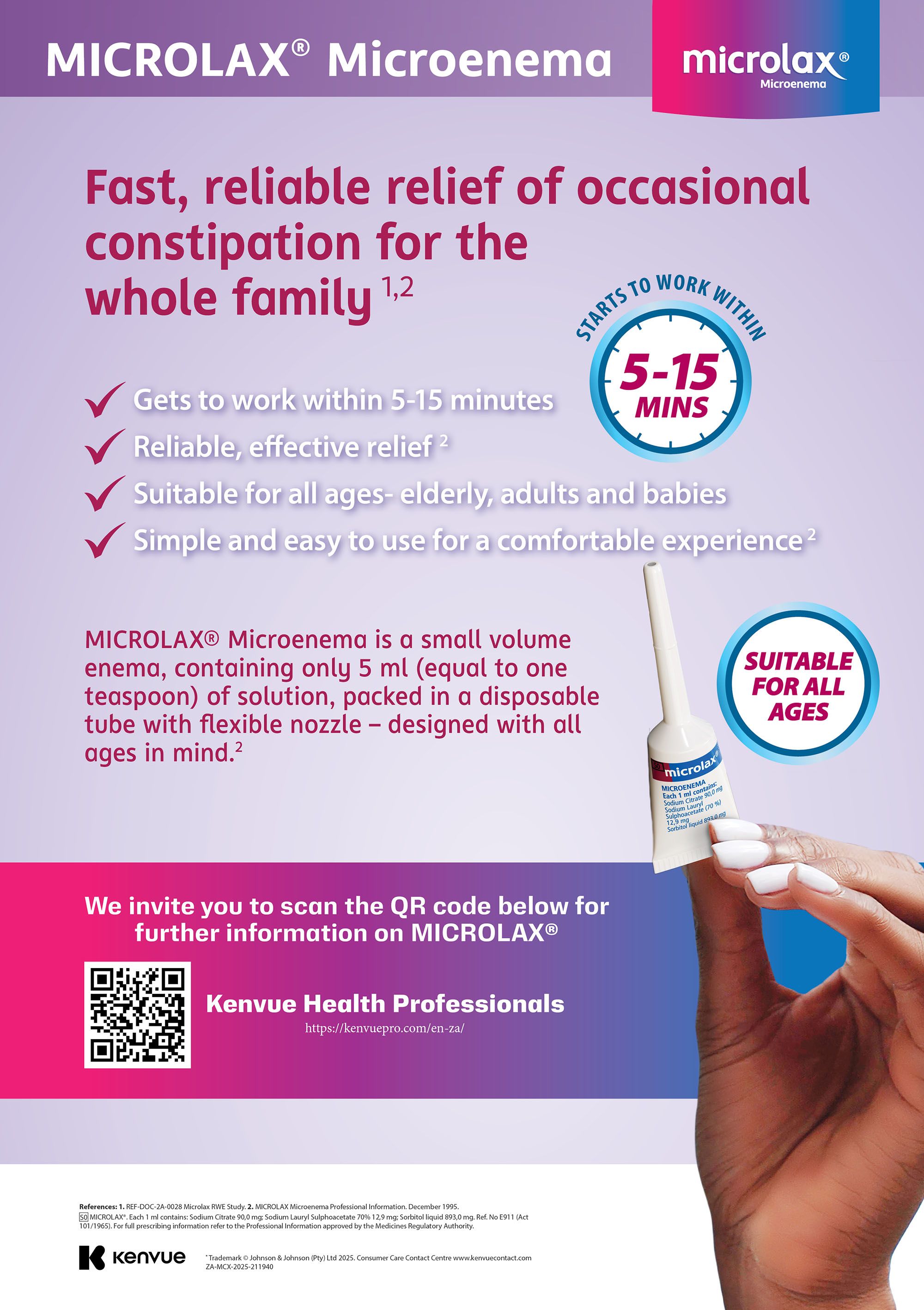
Oral osmotic laxatives, such as polyethylene glycol (PEG), are often the first-line choice due to their efficacy and non-invasive nature, though they may take several days to work. For more rapid relief, rectal interventions like microenemas can be highly effective. Studies on microenemas containing sodium citrate have demonstrated effective relief in a high percentage of children across all age groups, with a significant majority of parents reporting good efficacy and tolerability. It is important to note that phosphate enemas should be avoided due to associated risks.
Long-term maintenance
Once disimpaction is achieved, the focus shifts to long-term maintenance therapy. The goal is to establish a regular pattern of soft, painless stool passage and to prevent relapse. This phase is multifaceted, incorporating dietary adjustments, education, behavioural modification, and often, continued pharmacological support.
A daily osmotic laxative remains the cornerstone of maintenance treatment, with the dose titrated to produce one to two soft stools per day. Dietary modifications are also essential; ensuring adequate fluid intake and incorporating age-appropriate fibre can help maintain stool softness. For some children, particularly those with cow's milk protein intolerance, a trial of milk avoidance may be beneficial.



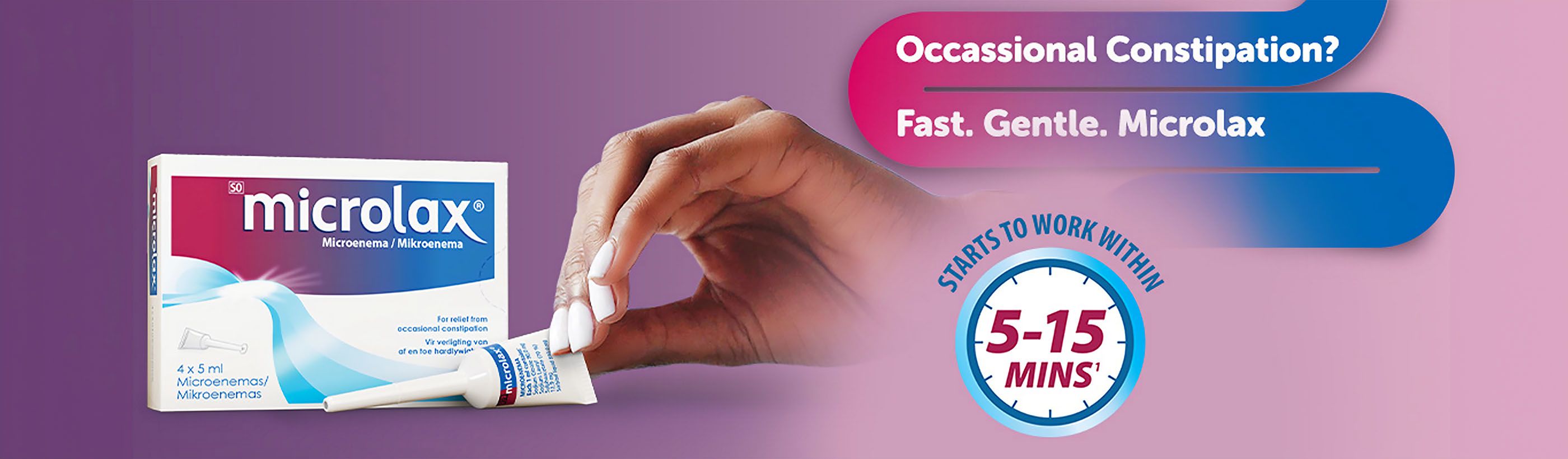
Disimpaction is a critical phase that must be addressed before maintenance therapy can begin, as it clears the colon and rectum of retained stool, thereby increasing the success of subsequent treatment.

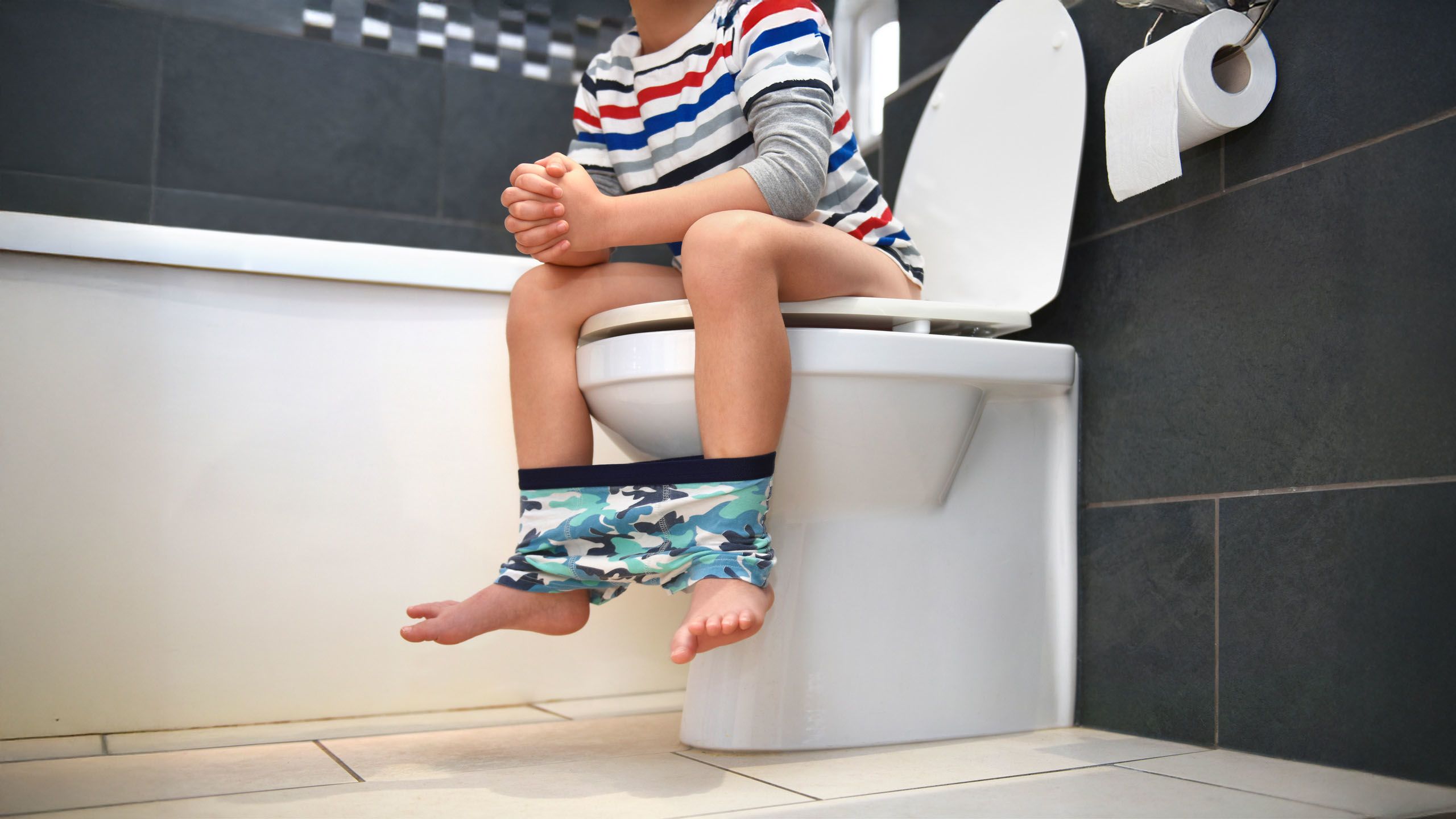
Importance of education
Alongside medication and diet, education and behavioural strategies are paramount. Parents and children must understand the chronic nature of the condition and the importance of consistency in treatment. Establishing a positive toilet routine is crucial. This involves encouraging the child to sit on the toilet for 5-10 minutes at a regular time each day, ideally after a meal to utilise the gastrocolic reflex. Ensuring the child’s feet are supported to achieve a squatting position can facilitate easier defecation. A reward system can help motivate younger children and reinforce positive behaviour.
Prognosis
The prognosis for childhood functional constipation is generally good with prompt and persistent management. However, it is often a chronic condition with a high relapse rate, necessitating treatment for several months. Weaning from laxatives should be gradual and only considered after the child has been symptom-free for at least a month. Clinicians should be aware that the evidence for probiotics and prebiotics remains inconclusive, and they are not routinely advised.
Conclusion
Managing occasional childhood constipation requires a proactive, patient, and evidence-based strategy. A successful outcome hinges on the thorough initial disimpaction of faecal matter followed by a sustained maintenance regimen that skilfully combines effective laxative therapy with supportive dietary and behavioural interventions. Early and consistent treatment is key to breaking the cycle of pain and withholding, ultimately restoring the child’s comfort and quality of life.
REFERENCES
Leung, AK, 2021. Paediatrics: how to manage functional constipation. Drugs Context. Mar 26;10:2020-11-2.



 Built with Shorthand